Life rarely follows the timeline printed on a lease agreement. A job transfer lands on your desk six months before your lease expires. A landlord ignores mold growing behind the bathroom wall. A relationship ends and the rent is no longer affordable on a single income.
Whatever the reason, millions of Americans find themselves staring at the same question every year: what happens to my credit if I break this lease?
The short answer is that breaking a lease does not automatically appear on your credit report. There is no credit bureau category labeled “broken lease” and no landlord hotline that flags you the moment you turn in your keys. But the short answer hides a chain reaction that can follow you for the better part of a decade.
The real damage begins not with the act of leaving, but with what your landlord does next. When a landlord assigns your unpaid balance to a third-party debt collector, that collector can report the debt to Equifax, Experian, and TransUnion as a collections tradeline. Once that tradeline hits your file, the domino effect takes over. Your credit score drops.
Future landlords see the collection during tenant screening. Mortgage lenders flag it during underwriting. Auto loan rates climb. The single act of walking away from a lease can quietly reshape your financial life for years.
This article traces each stage of that chain reaction so you know exactly what you are up against and how the system works against renters at every step.
Why Landlords Skip Court and Go Straight to Collectors
Before 2017, landlords who won small-claims judgments against former tenants could count on those judgments appearing on the tenant’s credit report. That changed when the three major credit bureaus stopped including most civil judgments in consumer files. With the courthouse route no longer punishing tenants through the credit system, landlords pivoted to a faster and arguably more damaging alternative.
Today the standard playbook is simple: assign the debt to a collection agency and let the collector report it directly to the bureaus. The Consumer Financial Protection Bureau documented this shift in its September 2024 report on debt collection, finding that many debt collectors furnish rental debt to credit reporting companies as a means of collecting debt through coercion. In other words, the credit report itself has become the enforcement tool.
The National Apartment Association reinforces this approach from the industry side, advising property owners that all eviction and skip accounts should be sent to collections within 90 days for the highest recovery rates. For the landlord, outsourcing to a collector costs nothing upfront. For the tenant, it can mean waking up to a credit score that has fallen off a cliff.
You Might Not Even Know It Happened
One of the most troubling patterns uncovered by the National Consumer Law Center is what consumer advocates call debt parking. A collector reports the debt to credit bureaus without ever contacting the consumer by phone, letter, or email. The tenant discovers the collection only when they apply for a new apartment, a car loan, or a mortgage and get denied.
The NCLC’s October 2022 report, Unfair Debts with No Way Out, analyzed more than 1,500 CFPB complaint narratives and found case after case where tenants were told at move-out that their account was settled, only to discover collections of $1,300 or more on their credit reports months later with no prior notice. Those most often surprised were domestic violence survivors, military personnel, and young renters on their first apartment.
The Second Domino: Your Credit Score Takes the Hit
The Math Behind the Damage
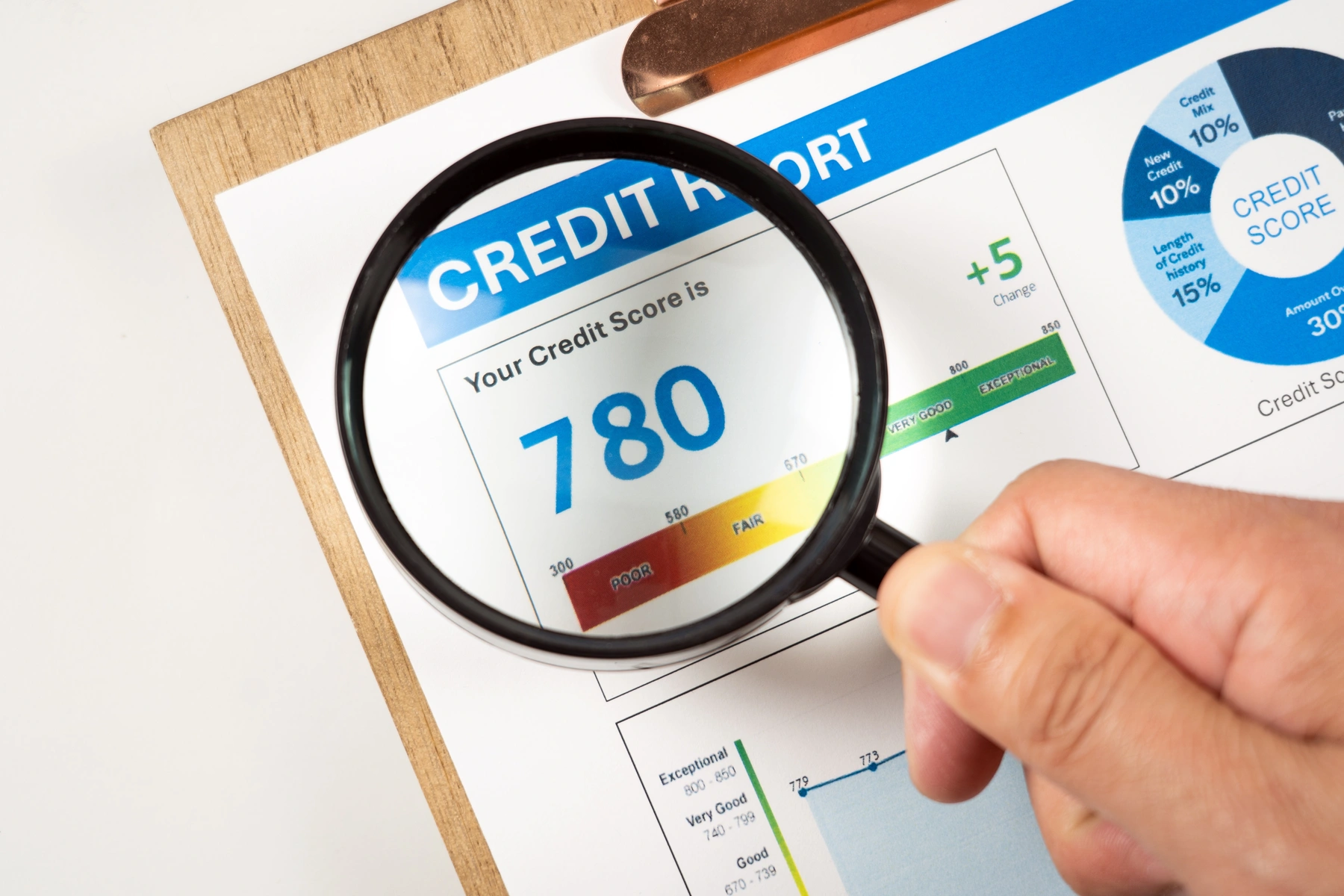
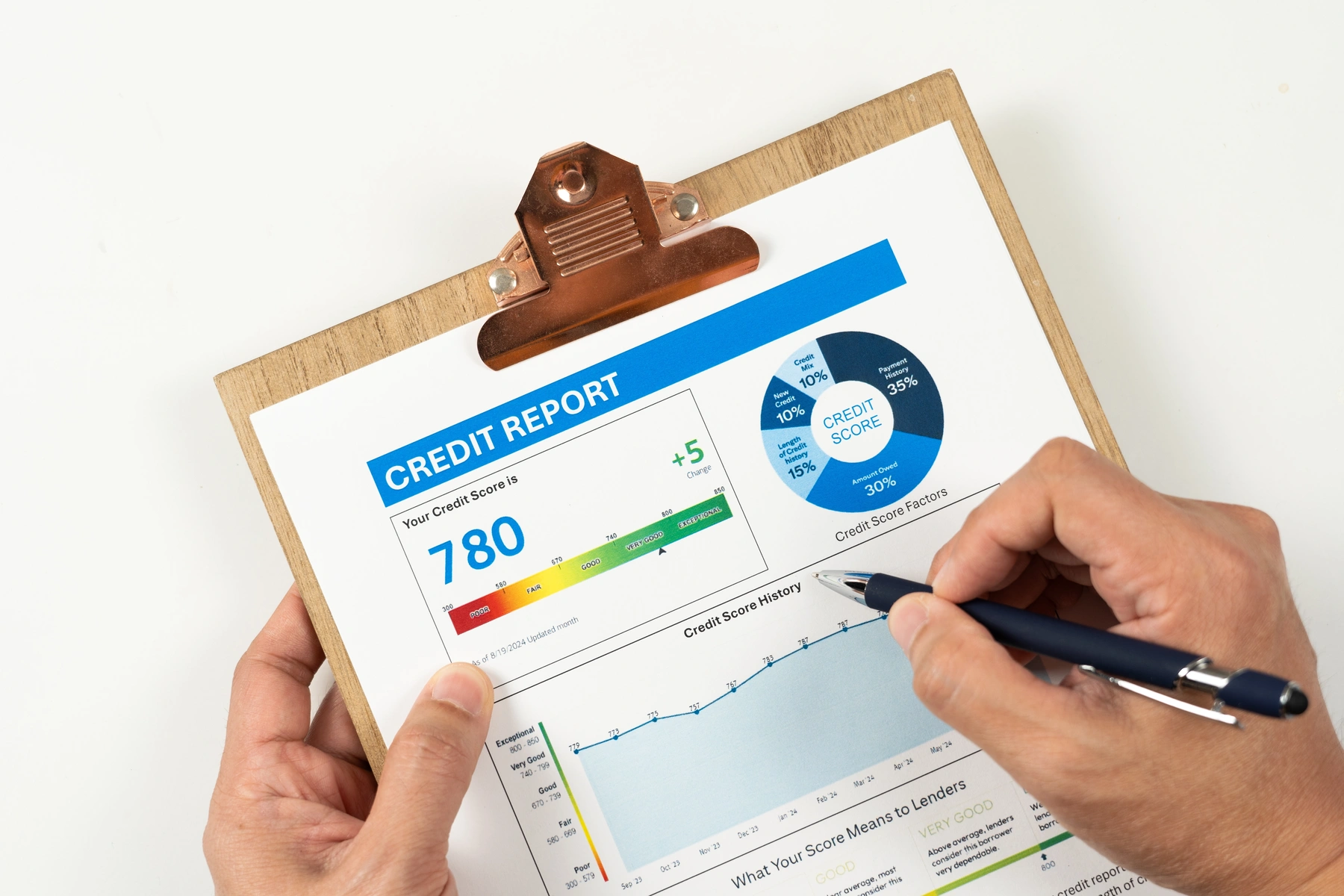
A collections tradeline is one of the most damaging types of information that can be added to a credit report. According to the CFPB’s review of the FICO 8 scoring model, a single collection account of at least $100 can lower a 680 credit score by more than 40 points and a 780 score by more than 100 points. The actual amount of the collection is immaterial to the scoring model. A $300 debt for carpet cleaning that is sent to collections will have the same impact as a $5,000 lease breaking penalty.
Payment history accounts for about 35 percent of both FICO and VantageScore calculations, making it the most important factor in your score. A collections entry is part of this calculation and remains on the report for seven years from the date of the original delinquency regardless of whether you ultimately pay the debt.
Paying It Off May Not Fix Your Score
This is where most renters are tripped up. Under FICO 8, the scoring model still most commonly used by lenders, a paid collection account continues to hurt your credit score in the same way as an unpaid one, as long as the original balance was over $100. Paying the debt removes the obligation, but the adverse mark remains on the report and continues to pull your score down.
Newer scoring models like FICO 9 and VantageScore 3.0 and 4.0 disregard paid collections, which is a significant improvement. However, most mortgage lenders, auto lenders, and credit card issuers have not yet moved to these new models. Until they do, the practical impact for most consumers is that paying a broken lease collection doesn’t automatically erase the credit damage.
The Third Domino: Locked Out of Housing, Loans, and Opportunity
The Rental Application Rejection Loop
Perhaps the most devastating aspect of the broken lease domino effect is that it can make it harder to get the one thing you need most: a new place to live. When you apply for a new apartment, the prospective landlord will typically pull your credit report or a tenant screening report. A collections tradeline from a previous landlord is a big red flag.
An NCLC survey of legal aid attorneys found that 49 percent had clients who experienced difficulty finding housing because of rental debt appearing on their credit reports. Even if a broken lease collection doesn’t appear on a traditional credit report, it can appear on specialized tenant screening databases that can keep records forever, creating a shadow credit system with even fewer consumer protections than the one most people know about.
The Mortgage and Loan Ripple Effect
Beyond housing, a broken lease collection can quietly raise the cost of borrowing for years. Mortgage underwriters review collections accounts closely, and a lower credit score forces borrowers into higher interest rate tiers. Industry estimates suggest that a 1 percent increase in mortgage interest rate reduces a buyer’s purchasing power by about 10 percent.
A renter whose score fell from 750 to 650 because of a single lease-break collection could end up paying tens of thousands more in interest over the life of a 30-year mortgage. Auto loans, credit cards, insurance premiums, and even employment background checks can all be impacted by a collections account. The domino keeps falling long after the original apartment has been re-rented to someone else.
In March 2022, the three major credit bureaus announced a historic change: they would remove all paid medical collections from credit reports. The credit reporting agencies also agree to delay the reporting of new medical debt for a year (from the current six-month period), and to automatically exclude medical debts totaling less than $500. As a result, around 70% of medical collections that appeared on people’s credit reports are suddenly removed.
But when it comes to rental debt, there is no 1-year waiting period for new collections. There is no minimum amount for automatic removal of small collections. There is no voluntary initiative to minimize the damage. “Apparently there is a recognition that medical services are a necessary part of life and shouldn’t overly penalize credit scores,” said Bankrate senior industry analyst Ted Rossman. “The same understanding does not exist for necessary housing expenses.”
The Consumer Financial Protection Bureau (CFPB) also acknowledges that there is a problem here. In a report it issued in 2024, the agency recommends further review of whether rental debt should appear on credit reports at all: Such a review might include research on whether rental information is predictive for creditworthiness and whether it has a disparate impact on consumers of color. That review hasn’t been completed. And there’s no indication that it will be on the agenda of the current agency leadership.
One area of research that has been completed, though, is a look at how often Black, Hispanic, white and Asian households fell behind on rent during the pandemic. The data from the Federal Reserve is stunning:
21% of Black renters were behind
21% of Hispanic renters were behind
13% of white renters were behind
8% of Asian renters were behind
Given the racial disparities apparent here, it’s hard to ignore potential fair lending and civil rights issues that stem from the largely unregulated credit reporting pipeline for rental debt. So what can you do if you get caught in the dominos of a broken lease? Here are some steps to take.
Know Your Rights Under Federal Law
There are two federal laws that give you important protections when it comes to broken lease collections: the Fair Credit Reporting Act (FCRA) and the Fair Debt Collection Practices Act (FDCPA). The FCRA guarantees your right to dispute any information on your credit report that is not accurate. So if there’s a mistake in the amount you owe on a broken lease collection, or in the dates associated with that collection, or even in the name of the original creditor, you can dispute the information with the credit reporting agency.
The agency is then required to conduct an investigation, usually within 30 days. And if it can’t verify the information, the entry must be removed. The FDCPA offers another protection. A collector trying to collect a broken lease debt must give you a written validation notice within five days of first contacting you. If you dispute the debt in writing within 30 days, the collector must suspend collection until it can provide verification.
Your Landlord May Not Be Entitled to What They Are Claiming
Most states require that landlords mitigate their damages after a tenant vacates a property. So they can’t just leave a unit empty and charge you for the entire remaining term of the lease. If you are facing a broken lease collection, make sure you understand your state’s rules. You may be able to negotiate a settlement with the landlord based on the actual damages.
These steps may help you avoid one of the more painful dominos that can fall when you break a lease: a hit to your credit score. Many rental debt collections are for unsubstantiated, exaggerated, or made-up amounts. The NCLC report cited examples of tenants being charged for replacing carpet that didn’t exist, for Americans With Disabilities Act (ADA) modifications that landlords are required to provide by law, and for unauthorized fees that do not appear in the lease agreement.
A collection agency that tries to collect an amount the landlord is not entitled to by law may be violating federal law. Don’t assume that just because a number appears on your credit report, it is accurate or legally enforceable. A high percentage of rental debt collections contain errors that can be disputed.
Document Everything From Day One
The best way to protect yourself against a broken lease collection is with documentation. Take dated photos of the rental unit when you move in and when you move out. Save every email, text, and letter that you exchange with your landlord or property management company. Keep a copy of your lease and any addendums. Request a written final walk-through inspection and ask for an itemized list of any damages or charges.
If a debt collector later reports a balance that contradicts your documentation, that paper trail is the basis for a dispute that can get the item investigated and possibly removed from your credit report.
The Chain Reaction Is Predictable, and That Means It Can Be Disrupted
Understanding the System Is the First Step to Beating It
The chain reaction of a broken lease follows a predictable pattern: the landlord sends the debt to a collection agency, the collection agency reports it to the credit bureaus, your credit score suffers, and the ripple effects spread out into every financial decision you try to make for the next seven years. But “predictable” also means “vulnerable.” Every link in that chain has a pressure point where it can be contested, disputed, or severed altogether.
Debt collectors count on consumers not understanding their rights. They count on tenants not questioning inflated damage claims and assuming that any number that appears on a credit report must be valid. The CFPB’s own statistics show that debt collectors frequently report inflated, unsubstantiated, or fabricated rental debts with minimal oversight. That is not an accident. That is a business model.
FightCollections.com Can Help You Fight Back
If a broken lease collection has appeared on your credit report and you believe the charges are inflated, unsubstantiated, or the result of deceptive debt collection practices, you don’t have to roll over.
FightCollections.com specializes in disputing mistaken or bogus information on consumer credit reports. We understand the tactics that debt collectors use, the laws that dictate what they can and cannot do, and the dispute techniques that bring them to heel. You didn’t ask for a debt collector to hijack your credit report. But you can choose to fight back.
Contact FightCollections.com today to discuss your case and explore your options for disputing broken lease collections that should never have been reported in the first place.