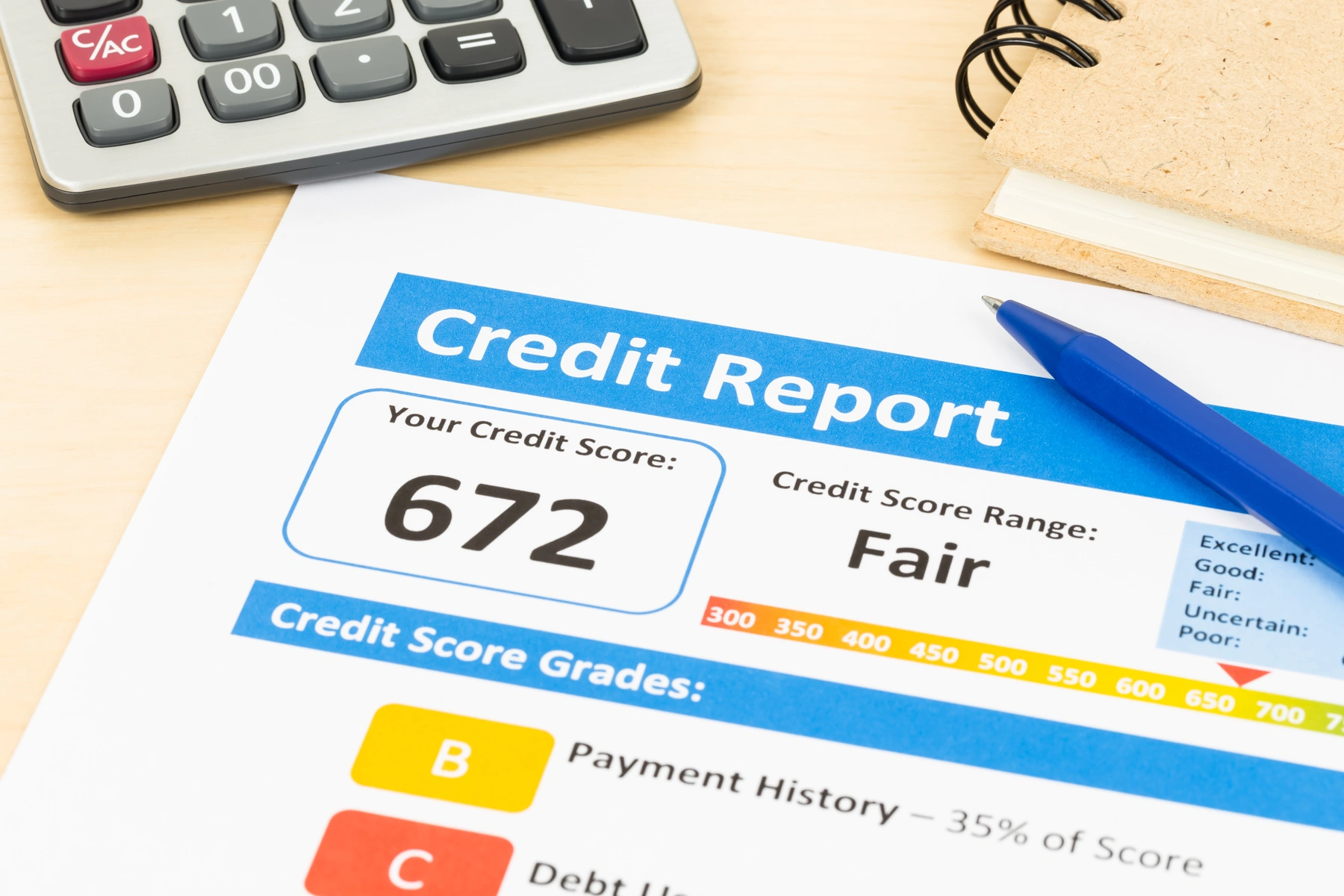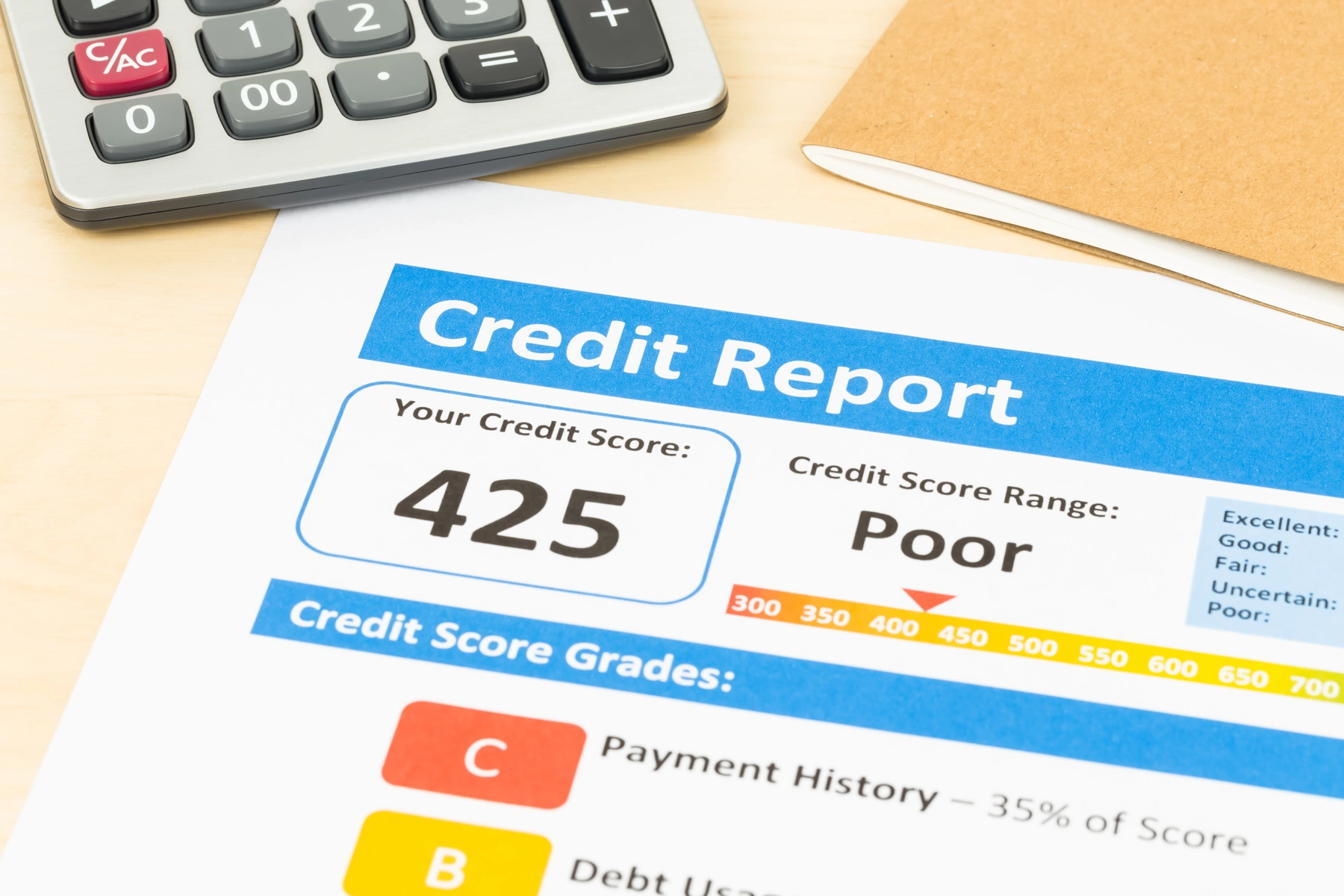

A charge-off is a credit report term that sounds almost harmless.
In fact, if you didn't know better, you might think it was a good thing, as if the lender had simply decided to write off what you owed and move on. Nothing could be further from the truth.
The textbook definition of a charge-off is simple enough: It's when a creditor decides to write off your delinquent account as a loss. The Office of the Comptroller of the Currency (OCC), which regulates the banking industry, requires lenders to charge off delinquent open-end credit accounts after a minimum of 180 days.
But that definition hardly does justice to the destructive power of a charge-off. It can devastate your credit score, lead to aggressive collection activity, and have follow-on effects that can haunt you for years, making it harder to get an apartment, obtain a loan, or even land a job.
So why should you care about any of this right now?
The statistics are sobering: According to a 2020 report from the Urban Institute, about 77 million adults in the U.S. have debt in collection on their credit reports, which includes charged-off accounts. The average amount is $5,178. Credit card issuers alone wrote off $46 billion in delinquent loans during the first nine months of 2024, a 50 percent jump from the same period the year before.
But this isn't just about statistics, these are real people, with damaged credit, annoying collection calls, and what often seems like a stacked system designed to prevent them from digging their way out. Understanding what a charge-off is in the first place is half the battle.
What Exactly Is a Charge-Off?
If you're reading this, there's a good chance you already have a pretty good sense of what a charge-off is. But it never hurts to review the basics, so here goes.
Contrary to what the term might suggest, a charge-off doesn't mean the lender is simply writing off the debt. If only things were so simple. All it really means is that the lender is writing off the debt for accounting purposes.
In other words, if you fail to make payments for a long enough period, the lender will declare the debt a loss, and then move it to their balance sheet as a bad debt. At that point, you'll start seeing a charge-off appear on your credit reports.
Why is that a big deal? For starters, it will hurt your credit score, probably badly. It also opens the door to debt collection efforts, which can be relentless. (More on that below.) But perhaps the worst thing about a charge-off is the way it can linger, making your life harder for years to come.
Why Charge-Offs Matter Now
So why should you care about charge-offs right now? As we noted above, charge-offs aren't exactly rare. In fact, according to one recent report, about 77 million adults in the U.S. have debt in collection on their credit reports. The average amount is $5,178.
And credit card issuers alone wrote off $46 billion in delinquent loans during the first nine months of 2024, a 50 percent jump from the same period the year before.
Those are just numbers, of course, but they represent millions of real people who are dealing with the fallout from charge-offs. And if you're reading this, you're probably one of them.
So how exactly does it work? Here's a quick primer.
The Charge-Off Clock
So how does a charge-off actually happen? Essentially, it's a countdown, and one nobody ever tells you about.
Here's how it works: When you make a payment, you avoid having a delinquency. But when you fail to make a payment, the clock starts ticking. And with each passing month, your delinquency gets deeper.
After 30 days, the creditor reports you as late. After 60 days, you're reported as being two cycles late. After 90 days, three cycles. At 120 days, four cycles. And at 150 days, five cycles.
Finally, at 180 days, the creditor charges off your account. The entire time, the delinquency deepens, and the damage to your credit score grows.
The OCC's Uniform Retail Credit Classification and Account Management Policy governs the charge-off process for open-end credit, like credit cards. According to the policy, open-end accounts must be charged off after at least 180 days.
Here's a quick summary of the process, and the damage it inflicts:
30 days: One cycle late
60 days: Two cycles late
90 days: Three cycles late
120 days: Four cycles late
150 days: Five cycles late
180 days: Charge-off
As you can see, charge-offs are a serious business. In the next section, we'll take a closer look at the actual process. The timing for charging off closed-end installment loans, such as a car loan or a personal loan, is 120 days. And these are not guidelines, they are regulatory requirements that banks are expected to follow.
What the Creditor Does Behind the Scenes
When a bank charges off your account, they write off the balance against their internal loss reserves under current accounting standards. The loan amount is removed from the bank's books as an asset. Accrued interest and fees that were never collected are reversed.
From the lender's perspective, this is a bookkeeping event. It is the bank accepting a financial loss for regulatory and tax purposes. But here is the key point that so many consumers fail to grasp: the charge-off is the bank giving up on collecting from you directly. It is not the bank forgiving the debt. You still owe every dollar.
"A charge-off is an account that has become so delinquent the creditor considers it a loss and has given up trying to collect payments on it directly, usually around 180 days after the first missed payment," explains Bruce McClary, Vice President of Communications for the National Foundation for Credit Counseling. The key phrase there is the creditor gave up. Someone else is almost certainly going to pick up where they left off.
The Real-World Damage of a Charge-Off on Your Credit Report
The Credit Score Crater
A charge-off can cause a credit score to drop by anywhere from 50 to 150 points or more, depending on the starting score and the overall credit profile. VantageScore data indicates the range is 45 to 130 points. But much of that damage occurs during the months of missed payments leading up to the charge-off itself. This is an important distinction. By the time the charge-off actually hits, a consumer who started at a 750 score may already be in the low 600s from the sequential late payment reporting.
The charge-off then drops the score further, into subprime territory. Consumers with higher starting scores tend to see the largest drops in absolute terms. Miss payments leading to a charge-off will cause a consumer with an excellent score (780) to see a much larger decline than someone whose score was already in the 620-range. The system effectively punishes the fall from grace more severely.
The Seven-Year Shadow
Under the Fair Credit Reporting Act, a charge-off will remain on your credit report for seven years. The clock starts 180 days after the date of first delinquency that led to the charge-off, not from the charge-off date itself. This starting point is fixed by federal law under 15 U.S.C. Section 1681c and can't be legally reset.
That seven-year clock has serious implications. Mortgage lenders, auto loan and lease financiers, credit card companies, landlords, and some prospective employers obtain credit reports. A charge-off on your report tells anyone who views it that you failed to pay a debt.
The Urban Institute published a report on the impact of collections and charge-offs on a credit report. This effect extends to the cost of credit, ability to secure a rental unit, and even getting a job. Some property management companies list charge-offs within the last two years as specific reasons to deny an application or increase a security deposit.
What Happens to Your Debt After a Charge-Off
The Debt Buyer Pipeline
Once a creditor charges off an account, they'll often try to collect on it directly. If that doesn't work, they'll place it with a third-party collection agency. If the collection agency can't collect, they'll sell it to a debt buyer.
What's fascinating is the economics of this secondary market. A Federal Trade Commission study analyzed more than 5,000 debt portfolios. These portfolios included nearly 90 million consumer accounts with a total face value of $143 billion. The FTC found that debt buyers paid an average of just four cents on the dollar. Newer debt, less than three years old, cost about eight cents on the dollar. Older debt? It sold for as little as two cents on the dollar.
So, that $5,000 charged-off credit card? It might cost a debt buyer about $200 to purchase. He'll then try to collect the full $5,000 from you, along with interest and fees (if allowed by state law). The margins are huge, and the system incentivizes abusive collection practices.
Double Reporting and Zombie Debt
One of the most maddening things about the charge-off process is that the same debt can appear on your report twice. The original creditor reports a charge-off. When they sell or place the debt with a collection agency, that agency may report a new collection account. Both accounts represent the same debt, but it looks like two different delinquencies to anyone reviewing your report.
Then there's the issue of "zombie debt." A charged-off account that you've paid or settled or that's past the statute of limitations can reappear if debt portfolios change hands multiple times. Each new debt buyer may attempt to collect the debt, and some will re-report to the credit bureaus using incorrect dates. This makes old debts appear new again.
This practice, known as "re-aging," violates the FCRA. However, it happens frequently enough that the CFPB gets hundreds of thousands of complaints about it every year.
FCRA: The Main Federal Law to Know
Your primary legal protection from credit reporting mistakes is the federal Fair Credit Reporting Act. The FCRA gives you the right to dispute any credit report information you think is incorrect or incomplete. (FCRA, Section 611.) When you make a dispute, the credit reporting agency (CRA) has 30 days to investigate and remove any information it can't verify.
The FCRA also has a section that lays out what the credit reporting agencies' sources, people or companies that provide data to the credit reporting agencies, must do when they learn about a dispute. (FCRA, Section 623.) They must conduct a reasonable investigation, consider all relevant information, and modify or delete information found to be inaccurate. If a source can't verify disputed information, it must be removed.
These aren't just theoretical rights you have. One in five consumers had an error on at least one of their three credit reports and 1 in 20 consumers had errors serious enough to cause them to be denied credit or offered less favorable terms, according to a study by the Federal Trade Commission (FTC) on credit report accuracy. Charge-offs can include errors in such items as the balance, date of first delinquency, and status of the account.
FDCPA and Regulation F
If your charged-off debt is placed or sold to a third-party debt collector or debt buyer, you have additional rights under the federal Fair Debt Collection Practices Act (FDCPA).
For example, a debt collector must send you a written notice with the amount of the debt and the name of the creditor within five days after the debt collector first contacts you. (FDCPA, Section 809.) If you send the debt collector a written dispute within 30 days of getting the notice, the debt collector can't continue collection efforts until it sends verification of the debt to you.
Regulation F, which went into effect in November 2021, also gives you some important protections. For example, a debt collector may not report a debt to a credit reporting agency before it has communicated with you about the debt. (Regulation F, Section 1006.404.) This rule stopped a practice called "debt parking" in which debt buyers would put a collection account on your credit report before contacting you about it.
Also, Regulation F prohibits debt collectors from suing (or threatening to sue) to collect time-barred debt (debt that is too old for the debt collector to sue for in court). (Regulation F, Section 1006.18.) The time-barred period varies from state to state. For example, in California and Texas, the statute of limitations for suing on credit card debt is four years, but in New York the limitations period is three years (this change took effect in 2022).
Common Charge-Off Misconceptions
Myth #1: A Charge-Off Means the Debt Is Forgiven
Perhaps the most insidious charge-off myth is that a charge-off means that you don't owe the debt. Nothing could be further from the truth. Charge-offs are simply an accounting maneuver by the lender. Whether the debt is charged off or not, you still owe it. Debt collectors routinely try to collect charged-off debts and, in some cases, file a lawsuit against you to collect a charged-off debt.
In fact, according to a 2022 report by the Pew Charitable Trusts, the number of debt collection lawsuits is now back to pre-pandemic levels. Consumers show up to court in fewer than 1 in 10 debt collection cases, often resulting in a default judgment, which can allow the collector to garnish wages, levy bank accounts, and place liens on property.
Myth #2: You'll Remove a Charge-Off From Your Report If You Pay It
Paying a charged-off account results in the charge-off being marked as paid or settled on your credit report, but it does not remove the charge-off from your report. That has significance for future lenders who will be reviewing your report manually.
However, the charge-off listing itself will remain on your report for the entire seven years from the original date of first delinquency. The benefit to your score from paying the charge-off is highly dependent on the credit score model being used by a lender.
The FICO 8 score model, still the most commonly used today, recognizes little difference in terms of score between a charge-off that has been paid and one that has not been paid. The newer models, such as FICO 9, FICO 10T, and VantageScore 3.0 and 4.0, do not consider paid collection accounts, making it much more advantageous than it has been in the past. Of course, as a consumer, you have zero control over which model your lender will use.
Myth #3: You Restart the Seven-Year Clock if You Make a Payment
The seven-year clock dictated by the FCRA is calculated from the original date of first delinquency. No payment, settlement, or activity on the account can legally restart that clock. If a debt collector or credit bureau re-ages your account by changing the original date of delinquency to make an old charge-off appear newer, they are violating federal law.
There is, however, a separate consideration with regard to the statute of limitations, which varies by state. In some cases, simply making a payment or acknowledging the debt in writing can restart the statute of limitations clock, providing debt collectors with a brand new timeline to sue you. This is just one of many reasons why consumers should be very careful about interacting directly with a collection agency before they understand their rights.
Conclusion
Knowledge Is Your First Line of Defense
Having a charge-off on your credit report is a big deal, but it's hardly a death sentence. By understanding what it means, how the system functions, and your rights under federal law, you are already in a far better position than the millions of people who simply throw up their hands and give up.
The credit reporting system is flawed, and the debt collection industry operates on extremely thin documentation. A federal study found that debt buyers often do not have the most basic documentation for the accounts they purchase, and one in five credit reports contains errors. That means the charge-off on your report may not even be legitimate, and if it's not, you have every right to dispute it.
Take Action With FightCollections.com
If you have a charge-off on your credit report, don't ignore it and don't try to go it alone. The laws that protect you are powerful, but they can also be complicated. Debt collectors and credit bureaus are counting on the fact that you don't know your rights or don't have the tools to enforce them.
At FightCollections.com we specialize in making debt collectors accountable and disputing credit report information that is inaccurate, unverifiable, or illegal. We know the FCRA and FDCPA inside and out, and we recognize all of the techniques debt collectors use to try to force consumers to pay debts they may not even owe.
Request a free consultation today to let us review your report, identify any charge-offs or collection accounts that may be in error or were improperly reported, and devise a plan to fight back on your behalf. The system may be rigged against consumers, but that doesn't mean you have to face it alone.