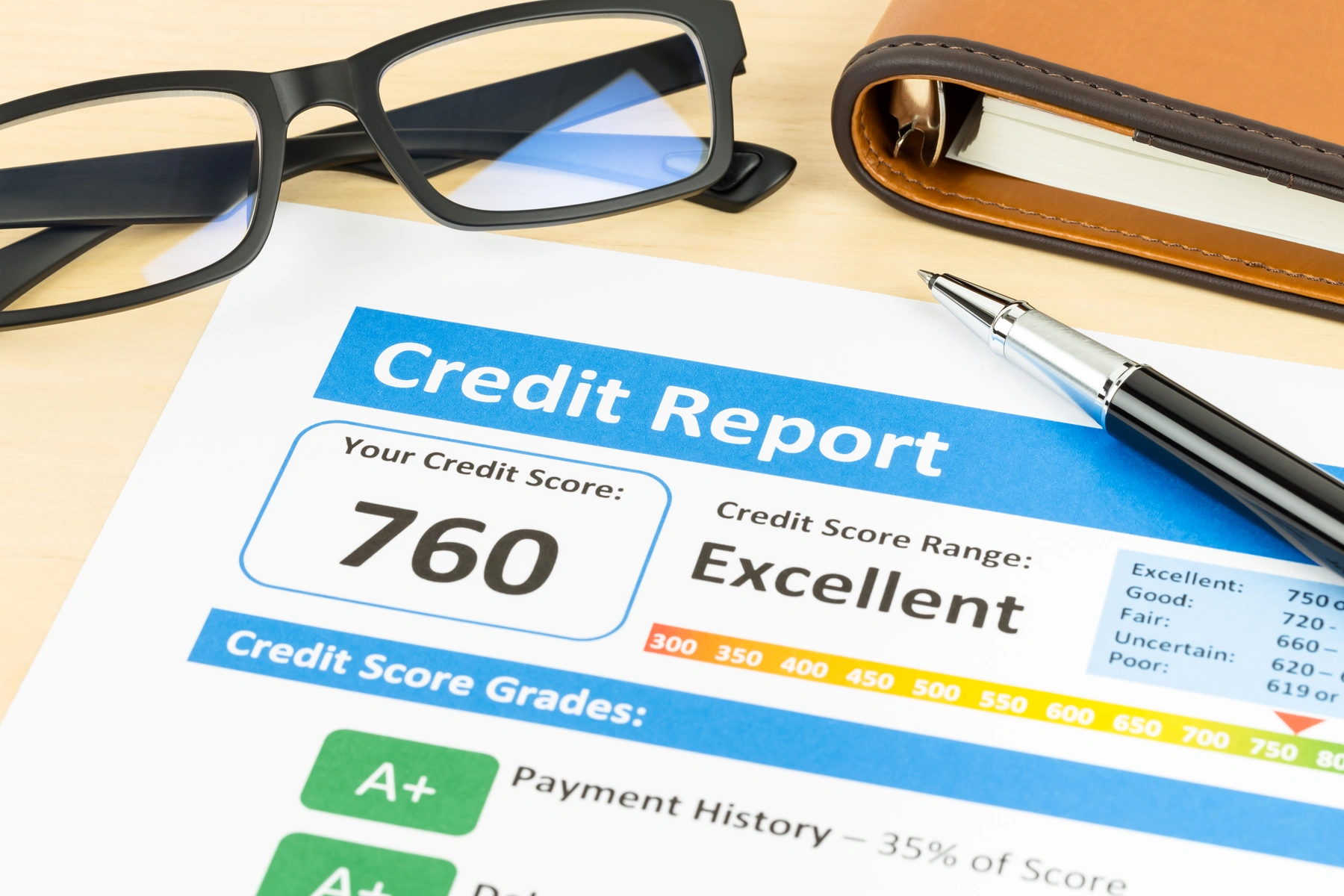
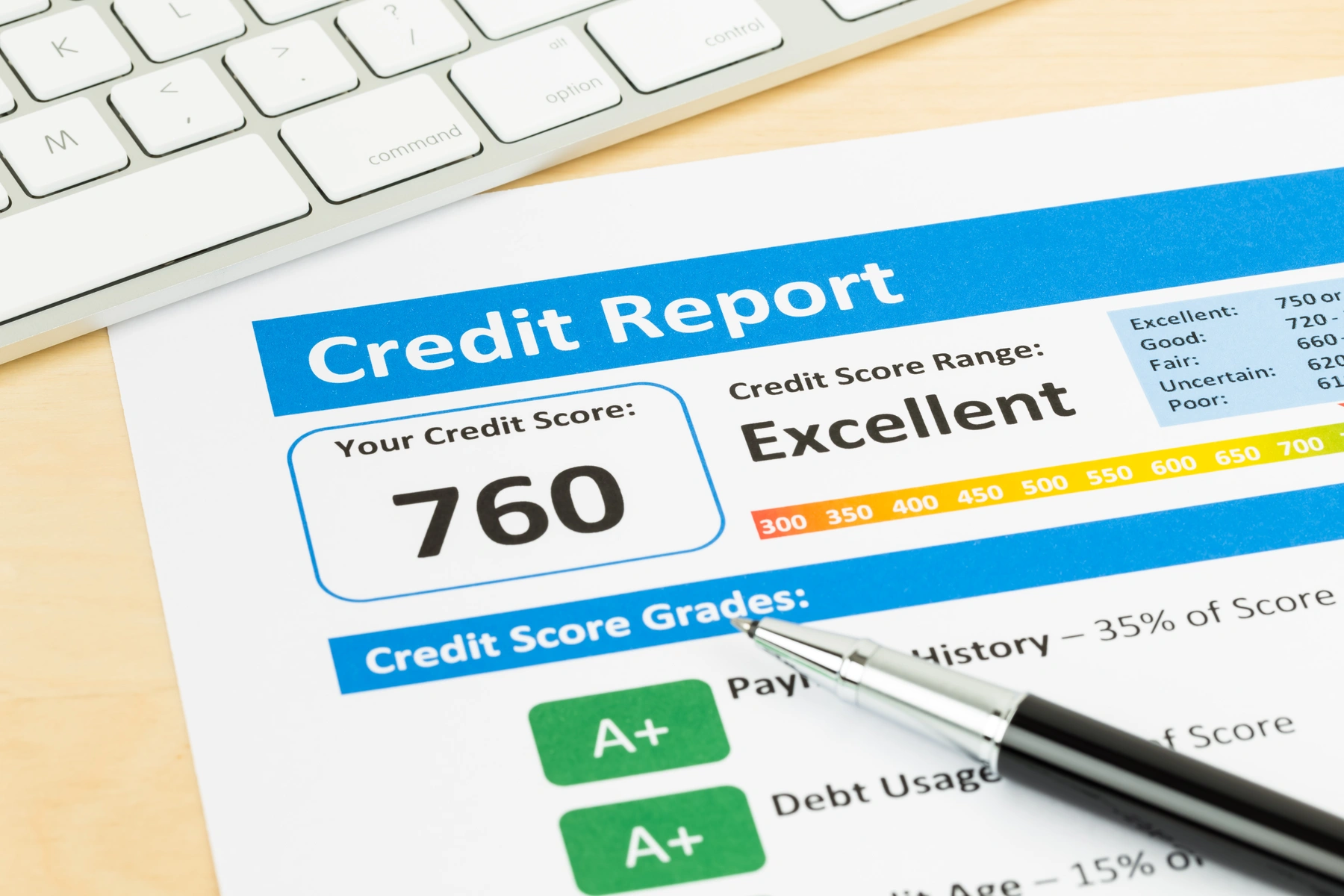
Credit Karma is the largest free credit monitoring service in America, with more than 140 million members. Millions of people check their scores on the site or mobile app every week, believing it offers a clear picture of their creditworthiness.
For most users, it doesn’t. It’s not because Credit Karma is intentionally deceiving you. It’s because the information Credit Karma shows you and the information lenders see are two different things. Understanding how often Credit Karma updates your credit score is just the tip of a very large iceberg that can have real financial consequences.
Credit Karma Update Frequency Matters More with Collection Accounts
Dealing with a collection account on your credit report? The issue is even more serious. The score you see on Credit Karma may not come close to the score an auto lender, mortgage broker, or credit card issuer sees when they run your credit. The difference can mean denial or approval, usurious rates or reasonable ones.
In this article, we’ll explain how often Credit Karma updates your score, why what you see may be very different from what lenders see, and what you need to do about it.
How Often Does Credit Karma Update?
Credit Karma now reviews TransUnion credit reports daily. They review Equifax reports roughly every week, though some Credit Karma users also receive daily updates from Equifax. This is an improvement over the old days, when Credit Karma only checked both TransUnion and Equifax once a week.
That sounds good until you understand what “checking” actually means. Credit Karma is pulling your credit report information from the credit bureaus every day. But the information on your credit report only changes when your creditors send new information to the credit bureaus. Most creditors only report every 30-45 days, once per billing cycle.
So Credit Karma might check your TransUnion report every day but see the same information for weeks at a time. If you paid off a credit card balance yesterday, that payment won’t show on your credit report until your credit card company reports it, which might not be for another three or four weeks. Daily checking doesn’t mean daily updates.
Why Your Credit Karma Score Appears Frozen
This is a source of endless frustration for Credit Karma users. “Credit Karma says they update daily,” wrote one frustrated user on Trustpilot, “but I saw my score jump a few days ago and Credit Karma still hasn’t registered it.” This sort of confusion is built into the system.
Credit Karma is doing exactly what it claims to do. They’re checking daily. But the data they’re checking against is managed by thousands of different creditors, all reporting on their own schedule to whatever credit bureau they want, with no requirement to update in real time. Credit Karma won’t be able to show you changes that haven’t been reported yet. The real-world implication is obvious: If you make a big change to your credit, such as paying off a balance, disputing a charge, or settling a debt, it can take two to six weeks to show up on Credit Karma. Opening the app every day won’t make it go any faster.
The Score Your Lender Sees Is Probably Not the Score Credit Karma Shows
VantageScore 3.0 vs. FICO: Two Models, Very Different Results
OK, this is when things get serious. Credit Karma uses VantageScore 3.0 to generate the scores you see. VantageScore was developed in 2006 by the three major credit reporting agencies as a competitor to FICO. Both use the same 300-850 range, which makes them seem equivalent. They’re not. The two scoring models treat the information in your credit reports differently.
Payment history is worth 40 percent of your VantageScore and only 35 percent of your FICO score. Credit utilization is worth 20 percent under VantageScore and 30 percent under FICO. VantageScore doesn’t factor in paid collections at all, while FICO 8 does. VantageScore can calculate a credit score from as little as one month of credit history; FICO requires at least six months.
These differences can lead to actual point-score differences. The Urban Institute looked at real Fannie Mae mortgage data and found that VantageScore 4.0 scores averaged 14.15 points higher than Classic FICO scores, and the difference rose to 21 points for investment properties.
For individual consumers, the difference can be much larger. One member of the myFICO forums posted a Credit Karma VantageScore of 609, while a lender pulled an actual FICO score of 711 based on the same data from TransUnion. That is a 102-point difference.
The Mortgage Trap That Catches First-Time Buyers
This issue can hit consumers hardest when they’re applying for a mortgage. Mortgage lenders rely on specialized versions of the FICO score (FICO 2, 4, and 5) that Credit Karma doesn’t track at all. FICO Vice President Joanne Gaskin told Consumer Reports that seeing a 20-point difference between the score that consumers monitor and the FICO score used for mortgages was “not surprising.” Some industry experts say they typically see differences of 50 points or more.
So what does this mean to a consumer who checks Credit Karma, sees a score of 720, and decides they’re ready to buy a home? When the mortgage lender pulls their FICO score, they might get a 670, or worse. That could push them into a higher interest rate, force them to make a bigger down payment, or even result in a rejected application. The consumer hasn’t done anything wrong; they’ve just placed their faith in the number on their screen.
A 2012 study by the CFPB of 200,000 credit files found that 1 in 5 consumers would receive a significantly different score from a consumer-facing model than from the score actually used by a creditor. Scores from the two models put consumers in the same general credit-quality tier only 73 to 80 percent of the time. In other words, about one consumer in four might end up in a different risk profile depending on which score the lender uses.
Not the Customer
Credit Karma is free to use because consumers are not its customer. Lenders are. Each time a user applies for a credit card, loan, or insurance policy through a Credit Karma recommendation and is approved, Credit Karma gets a commission. This commission generated 2.3 billion in revenue in fiscal year 2025, according to the earnings reports from Intuit, which owns Credit Karma. That was a 32 percent year-over-year increase. Intuit acquired Credit Karma for 7.1 billion in December 2020. The Department of Justice forced Credit Karma to divest its tax preparation business to Square as a condition of the deal due to overlap with Intuit’s TurboTax.
Before the acquisition, Credit Karma presented itself as an independent advocate for consumers, unaffiliated with any lender. Now it is a wholly owned subsidiary of one of the largest fintech companies on the planet. All of this is important because it gives Credit Karma a financial incentive to get consumers to apply for as many credit products as possible. More applications mean more commissions. That does not mean that any given recommendation is bad, but it does mean that the interests of the platform and the interests of the consumer are not always in alignment.
FTC Got Involved for a Reason
In 2022, the conflict between Credit Karma’s business model and its promise of independent advice became a federal enforcement matter. The Federal Trade Commission found that between February 2018 and April 2021, Credit Karma misled users by telling them they were “pre-approved” or had a “90 percent” chance of approval for credit cards, loans or other financial products, when in fact nearly one-third of applicants were turned down. The FTC fined Credit Karma 3 million and notified 497,425 consumers affected by the deceptive marketing.
In late 2024, it began mailing 2.5 million in refunds to affected consumers. “We fundamentally disagree with the allegations brought forward by the FTC and we are extremely disappointed they have chosen to pursue this matter,” said Susannah Wright, Credit Karma’s Chief Legal Officer. “The statements in question that the FTC is challenging stopped appearing on our website nearly two years ago.”
The 2022 action was not Credit Karma’s first run-in with the FTC. In 2014, the agency penalized the company for disabling the validation of SSL certificates in its mobile app, a security vulnerability that could have allowed hackers to intercept users’ Social Security numbers and other sensitive information. Two federal enforcement actions in less than a decade is a good enough reason for any consumer to question whether it is wise to place all of their trust in a single credit scoring platform.
Credit Report Inaccuracies Add Fuel to the Fire
A Fifth of Consumers Have an Error on Their Report
Errors are a feature of the credit reporting ecosystem at every level, from the scores on top to the data on the bottom. In 2013, the Federal Trade Commission conducted a landmark study on the accuracy of credit reports. It found that one in five consumers had at least one error on one of their three credit reports.
One in 20 consumers had errors so serious they resulted in less favorable loan terms. Extrapolated nationally, that means 10 million Americans may be paying more for credit than they should because of someone else’s mistakes. Since then, the problem of errors has only intensified.
According to data from the Consumer Financial Protection Bureau, credit reporting complaints jumped 182 percent in 2024 compared to the prior two-year monthly average. More than 2.5 million credit and consumer reporting complaints were filed in 2024 alone. “It is way past time for reform,” said Chi Chi Wu, Director of Consumer Reporting and Data Advocacy at the National Consumer Law Center.
The Reality of Credit Report Errors When You Have a Collection Account
When you are dealing with a collection account, credit report errors are more than a statistic. Collection accounts are among the most disputed items on credit reports. When original creditors sell debts to collection agencies, the balances are not always reported correctly. Sometimes collection accounts remain on reports after they have been paid or settled. Sometimes debts belonging to one consumer end up on the report of another with a similar name.
What Credit Karma Can’t Do: Collections
Credit Karma will show you the collection accounts on your TransUnion and Equifax reports. It won’t show you collections that only appear on Experian, because Credit Karma doesn’t pull from Experian. It can’t tell you whether the information that the collector has reported is accurate, whether the debt is within the statute of limitations, or whether the collector even has the legal right to collect.
Relying on Credit Karma to monitor the accuracy of collection accounts on your credit report is like trying to drive a car using only the rearview mirror. You can see something behind you, but you still can’t see the whole road, and you damn sure can’t steer with it.
The Credit Scoring Landscape Is Shifting
FHFA’s Decision That Could Change Everything
In July 2025, FHFA Director Bill Pulte announced that for the first time, Fannie Mae and Freddie Mac would permit lenders to use VantageScore 4.0 as an alternative to FICO. Since Fannie and Freddie guarantee about 70 percent of all U.S. mortgages, this has the potential to remake the entire scoring landscape over time. VantageScore says its model would make as many as 5 million additional borrowers eligible for conventional mortgages. The National Association of Realtors applauded the decision.
But industry skepticism runs deep. TD Cowen housing analyst Jaret Seiberg observed that “just because lenders can use an alternative to FICO doesn’t mean they will.”
What This Doesn’t Fix
Even if VantageScore does gain wider adoption among lenders, Credit Karma still uses VantageScore 3.0, not the newer 4.0 model. The distance between the score Credit Karma shows you and the score your lender will actually use would decrease, but it would still exist. And none of these changes to the underlying scoring models address the underlying problem that causes most of the harm to consumers: bad data on their credit reports.
A better scoring model applied to bad data will still produce a bad outcome. Until the credit reporting system itself becomes more accurate, no monitoring tool can completely protect consumers from the damage caused by someone else’s mistakes.
Conclusion: Treat Credit Karma as a Starting Point, Not the Final Word
Credit Karma does provide real value as a free and frequently updated directional indicator of your credit health. Use it to monitor trends, to catch any new accounts or inquiries you don’t recognize, and to get a general sense of whether your credit is improving or deteriorating.
But you should never regard the score it shows you as the score your lender will actually use.
Before any major lending decision, get your actual FICO scores from services like Experian’s free tier, Discover Credit Scorecard, or myFICO. Pull your free annual credit reports from all three bureaus at AnnualCreditReport.com, and then go line by line to check them for errors. The half hour this takes you may save you thousands of dollars in interest payments over the life of a loan.
How FightCollections.com Can Help
If your credit reports contain collection accounts that are inaccurate, unverifiable, or being reported in violation of federal law, you do not have to live with the damage to your credit standing.
FightCollections.com specializes in disputing erroneous collection items on consumers’ credit reports, and holding collection agencies accountable for deceptive and illegal practices. Your credit score determines your housing options, your borrowing costs, your insurance rates, and in some cases, your job prospects. You have the right to have that score calculated using accurate information.
If debt collectors are hurting your credit score with items that should not be there, contact FightCollections.com for a free consultation to explore your options.