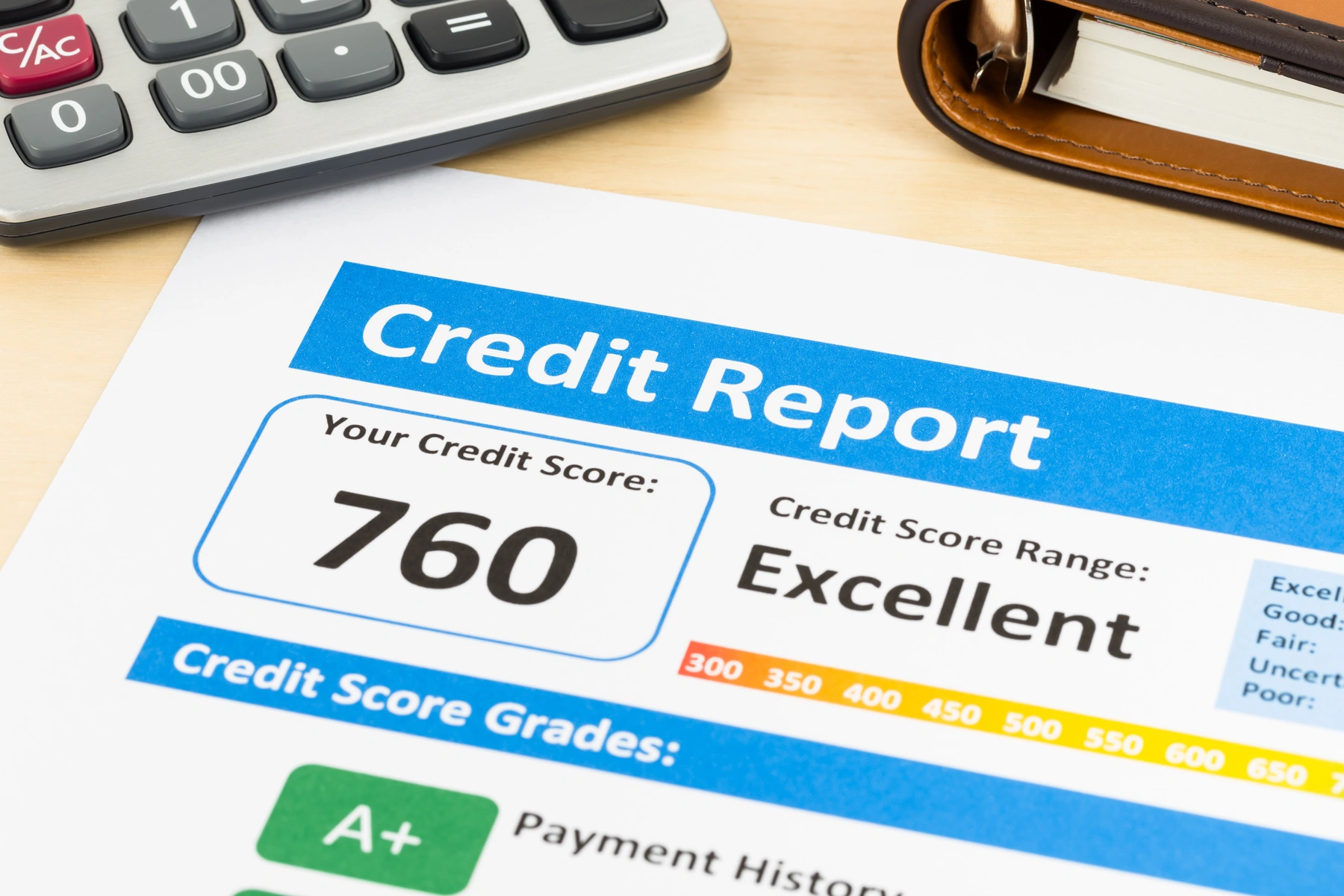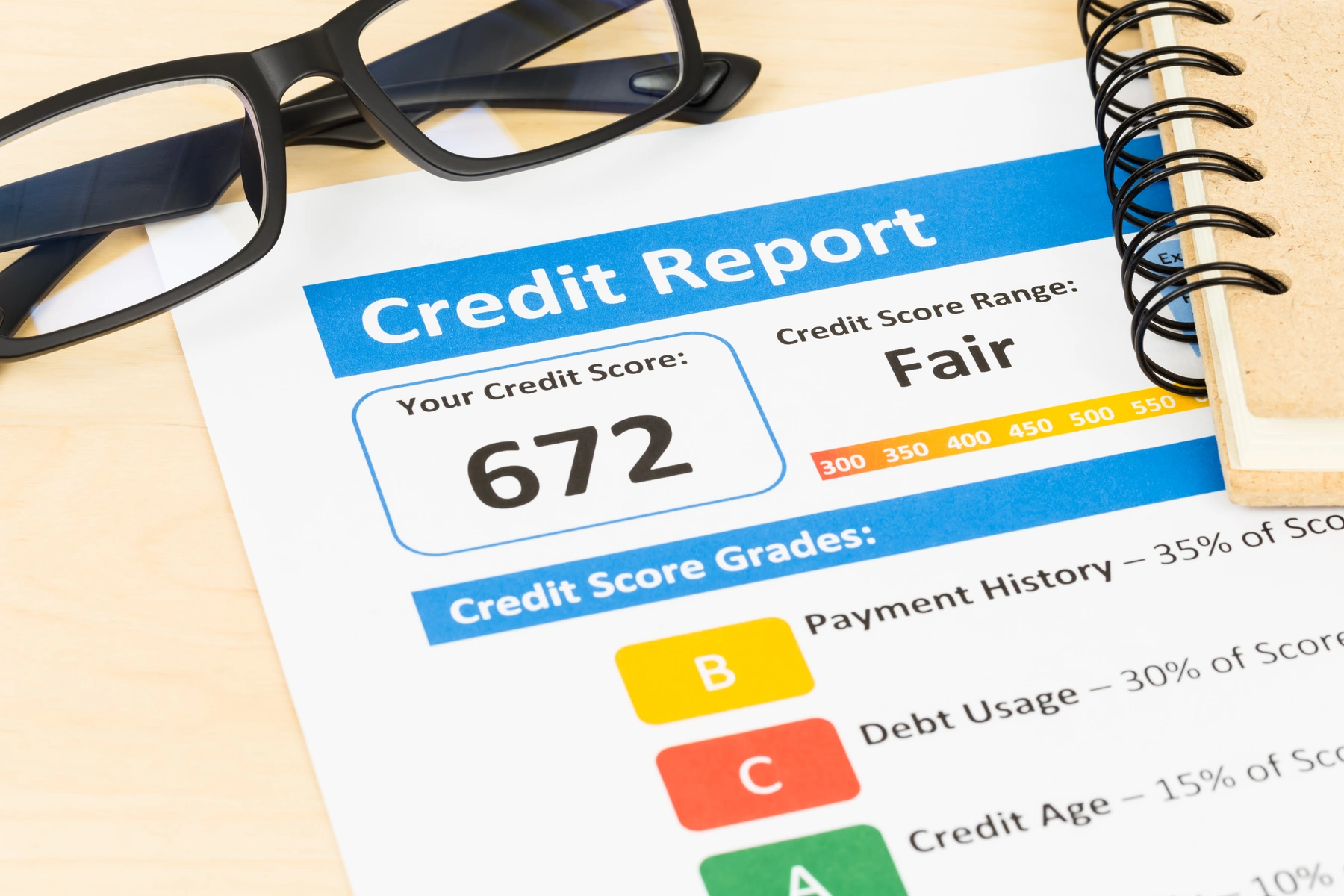
Why did I even get a debt consolidation loan in the first place?! Let’s break down why this question is important (other than that whole “could’ve avoided this mess” thing).
If you are struggling to pay your credit card debt, a debt consolidation loan can seem like a golden ticket. One payment, one interest rate, one everything. It’s a tidy sales pitch, and millions of Americans take the bait every year.
But that tidy sales pitch masks a messier reality. Whether debt consolidation hurts your credit score depends entirely on how you consolidate, who you consolidate with, and what you do after signing on the dotted line. Do it right and your credit score may rise. Do it wrong and you could be worse off than where you began.
The personal loan market is exploding. According to TransUnion data analyzed by LendingTree, 25.9 million Americans now hold a personal loan, and more than half of them took out the loan for debt consolidation. New personal loan originations reached an all-time high of 6.9 million in the second quarter of 2025 alone. That explosive growth has drawn in both good actors and bad.
Learning the difference between them isn’t just important. It’s the single most important factor in determining whether consolidation will help or hurt your credit.
You can get debt consolidation loans specifically designed for bad credit. And getting one can even help your credit score. Let’s dig into how.
When you use a personal loan to pay off credit cards, you’re converting revolving debt into an installment loan. Revolving credit, and your credit utilization, accounts for about 30% of your credit score under the FICO model. Your credit utilization ratio is the total amount of revolving credit you’re using compared to how much you have available. Installment debt does not figure into your credit utilization ratio. By taking out a personal loan to pay off five credit cards, you’re immediately moving that money from the revolving debt bucket to the installment debt bucket.
This can result in significant credit score improvement, as long as you don’t close the credit card accounts and refrain from racking up new credit card debt.
TransUnion’s research found that consumers who used a personal loan to consolidate credit card debt paid down about 58% of their credit card balances on average, reducing average credit card balances from $14,015 to $5,855. More than 60% of credit card debt consolidators saw their balances decrease by at least 60%.
One of the best indicators of whether debt consolidation loans hurt your credit score is the data. TransUnion has conducted two landmark studies on debt consolidation and credit scores.
In the first study, TransUnion found that nearly 70% of consumers who consolidated debt saw improvements of more than 20 points in their credit scores, with the average credit score improvement coming in at 18 points. Those gains weren’t fleeting. By the 18-month mark, the credit score improvement still stood at 18 points for borrowers with prime credit.
At every credit level, consumers who consolidated debt were more likely than non-consolidators to be approved for a new auto loan, credit card or mortgage within a year of consolidating.
A more recent analysis from LendingTree found that, for some borrowers, paying off credit card balances with a personal loan can result in credit score improvements of more than 80 points, in addition to saving them as much as $3,000 and helping them pay off their debt 10 months faster on a balance of $10,000.
Credit cards charge an average APR of 23.96% on new offers, compared to an average interest rate of 12.15% on personal loans. That difference of almost 12 percentage points means that more of each monthly payment goes to paying down the balance rather than interest. More of your payment going to the balance means you’ll pay down the debt faster.
Paying down debt faster means improving your credit score faster. The interest rate benefit is not just about saving money. It’s a structural benefit that helps you reach a better credit score faster.
The Case Against Consolidation: Where It Goes Wrong
The Hard Inquiry Hit and New Account Penalty
Each application for a debt consolidation loan results in a hard pull on your credit. According to FICO, a single hard pull typically costs fewer than five points. That doesn’t sound like a big deal unless you consider the way most consumers comparison shop for a consolidation loan.
Unlike mortgage or auto loan applications, personal loan applications are not treated as rate shopping inquiries. Each application results in a separate hard pull. Someone applying to five lenders in the same week could end up with five separate hits.
FICO’s own research indicates that consumers with six or more inquiries on their reports are as much as eight times more likely to file for bankruptcy than those with no inquiries. The new loan also reduces your average age of accounts, which accounts for 15 percent of your FICO credit score.
For someone with a thin file or a short credit history, that impact to average age of accounts could be more significant than the hit from the hard pull.
The Consolidation Trap: Old Habits, New Debt
Here is the data that the consolidation lenders do not include in their advertisements. TransUnion’s 2023 study showed that while consolidators enjoyed an average 57 percent reduction in credit card balances initially, those balances crept back up to nearly the pre-consolidation levels within 18 months for many consumers.
A Forbes Advisor survey of 1,000 debt consolidation loan borrowers reinforced this troubling trend. Forty-five percent of respondents admitted missing at least one payment on their debt consolidation loan, and only 4 percent believe they will be debt-free after paying it off. Eighteen percent expect to fall back into debt within six months of paying off the loan.
The trap works like this. You consolidate $20,000 in credit card debt into a personal loan. Your credit cards now show zero balances but remain open with their full credit limits intact. Six months later, an unexpected expense arises. Then another. Over time, the cards start creeping back up. Now you have both a personal loan payment and credit card debt with balances growing again.
You are deeper in debt than you started, and your credit score is worse for it.
Subprime Borrowers Face a Different Reality
The credit score improvements from consolidation are not distributed equally. TransUnion’s research shows that while prime and above borrowers retained their credit score improvements at 18 months, near-prime and subprime borrowers actually experienced credit score declines over the same period.
This is important because 63 percent of new personal loan originations in early 2025 went to below-prime borrowers. Many of these borrowers are paying interest rates between 27 and 31 percent on their debt consolidation loans, which is comparable to, or in some cases higher than, the credit card interest rates they sought to consolidate. For those borrowers, consolidation may ultimately be a shell game of moving debt from one high-interest product to another that solves nothing.
The Hidden Threat: “Consolidation” That’s Not What It Seems
The Bait-and-Switch Trap
The credit damage that comes from so-called consolidation doesn’t come from personal loans or balance transfer deals. It comes from programs that are presented as consolidation but are not. Debt settlement companies often advertise themselves as consolidation, and it’s a vital difference that these companies actively obscure.
Here’s how the bait-and-switch works: You look online for a debt consolidation loan. You find a company that looks promising and has good reviews. You apply for a loan, but get denied. Then the agent tells you about a “better program.” That program is debt settlement. It works by telling you to stop paying your debts altogether. Instead of paying your bills, debt settlement companies direct you to place your money in a third-party account. They allow your accounts to go delinquent, then negotiate with your creditors for a reduced settlement amount.
Your credit score takes a serious hit during the months or even years that you’re not paying your debts, and once your debts are settled, those accounts are reported as “settled for less than agreed” on your credit reports.
Real People and Real Numbers
Between January 1, 2020, and July 26, 2023, the Better Business Bureau (BBB) received 12,700 complaints and reviews related to debt consolidation, relief and credit repair companies. The reported losses in these cases totaled $2.4 million.
According to the BBB’s study, only about 20 percent of applicants qualify for an actual debt consolidation loan. The remaining 80 percent are offered a debt settlement program instead. Reviews from consumers who used these services tell a common story of credit damage. “I am a college student and applied for debt consolidation services,” wrote one young man from Nottingham, Md. “I was told I would be applying for a consolidation loan and was denied and placed in a debt settlement program instead. My credit score has dropped 300 points and neither of the accounts was settled. They are both now closed, one went to collections and the other sued me.”
“When you pay a debt settlement firm to negotiate reduced debt repayment, the accounts will be reported as ‘settled for less than agreed’ in your credit history,” says Rod Griffin, senior director of Consumer Education and Advocacy at Experian. “Any debt not paid in full as agreed will hurt your credit scores.”
The Government’s Fight Against Debt Relief Fraud
Over the years, the Federal Trade Commission (FTC) has brought numerous enforcement actions against fraudulent debt relief schemes. “In July 2025, the FTC shut down an operation called Accelerated Debt Settlement that allegedly took an estimated $100 million from consumers and targeted older Americans and veterans. According to the FTC’s complaint, one Army veteran was left $13,000 deeper in debt after working with the company, and his credit score dropped from the high 700s to the 500s,” reports the BBB.
In 2016, the Consumer Financial Protection Bureau (CFPB) won a $172.9 million judgment against debt settlement company Morgan Drexen for charging illegal upfront fees. And in January 2024, a joint federal and state action was brought against Strategic Financial Solutions, which “allegedly collected over $100 million in illegal advance fees from consumers through a web of shell companies, while funneling just 6.5 to 16 percent of consumer payments to debtors,” according to the CFPB. The FTC has also warned consumers about scammers impersonating the CFPB to pitch fake debt consolidation services. (The CFPB does not offer debt consolidation services.)
Avoiding Credit Score Damage from Consolidation
Finding the Best Option
Legitimate consolidation methods can affect your credit score differently.
Personal loans: When you consolidate with a personal loan, you are replacing revolving debt with an installment loan. This can be beneficial or damaging, depending on how you use the loan.
Balance transfer: A balance transfer credit card allows you to consolidate your debts onto a single credit card. As long as you avoid new credit purchases and pay down your debt aggressively, this method is unlikely to hurt your credit score.
Snowball/statistical method: Debt repayment strategies like the debt snowball and debt avalanche do not involve consolidation loans or balance transfers at all. Instead, you focus on paying down debts one at a time using your own income. These methods do not require new credit inquiries or accounts, and therefore do not lower your credit score.
Consolidating debt with a personal loan or balance transfer results in a hard inquiry on your credit report and a new account. (For a balance transfer, you may not need to open a new credit card depending on your credit limit and which cards you already have.
However, if you need a balance transfer card, that will affect your credit utilization ratio and average age of accounts). A debt management plan will not result in a hard inquiry or new account, but may result in a notation on your credit report that you are in a DMP. However, the National Foundation for Credit Counseling reports that, on average, participants in DMPs see their credit scores increase by 106 points during the first three years they are in the plan.
To Avoid Undoing the Progress You’ve Made
Don’t continue to use the credit cards you just paid off (but do not close the accounts either, as that will lower your credit utilization ratio and average age of accounts).
Set your consolidation loan up for automatic payments so you are never late. Your payment history accounts for 35 percent of your FICO credit score and is the most important factor. Missing a payment could undo months’ worth of progress.
Make sure you are working with a reputable lender or credit counseling agency. You can check to see if a lender is licensed in your state with your state Attorney General’s office or verify the credit counseling agency is both a member of the NFCC and accredited. Any organization that charges a fee before it provides a service, “guarantees” a specific result, or advises you to stop making payments to your creditors is a scam.
The Bottom Line: It Depends More on You than the Consolidation Loan
What Does the Research Say?
After looking at both arguments, we think the research suggests debt consolidation, when done through a reputable lender or credit counseling agency primarily with a personal loan or balance transfer, will not hurt your credit score and, for most people, will help it.
The negative effects of the hard inquiry and new account are relatively minor (less than 10 points in most cases). And the positive effects of lowering your credit utilization ratio and making on-time payments each month can be significant (the average increase is 18 points, but in some cases it could be much higher).
However, that does not mean debt consolidation is a magic solution. Whether or not it helps or hurts you in the long run depends on your financial behavior after you consolidate. Those who are able to keep their credit utilization ratio low and make all their payments on time will see the most benefit. Those who go out and acquire more debt or miss payments will be worse off.
How You Can Protect Yourself Before You Consolidate
If you’re considering consolidating your debt, the first thing you should do is make sure the information on your credit reports is accurate. You can do this by getting copies of your reports and looking for any errors, inaccuracies, or accounts you do not recognize. This is especially true of collection accounts, which are riddled with errors, according to research by the Consumer Financial Protection Bureau.
At FightCollections.com, we help people dispute collection accounts they do not recognize or that contain any type of error. We also help them bring collection agencies to justice when they engage in illegal, deceptive or otherwise inappropriate behavior. If you have collection accounts on your credit reports you do not recognize or that contain an error, you may be able to get them removed, which could help you qualify for a better consolidation loan.
Let us help. Contact us today for a free consultation.