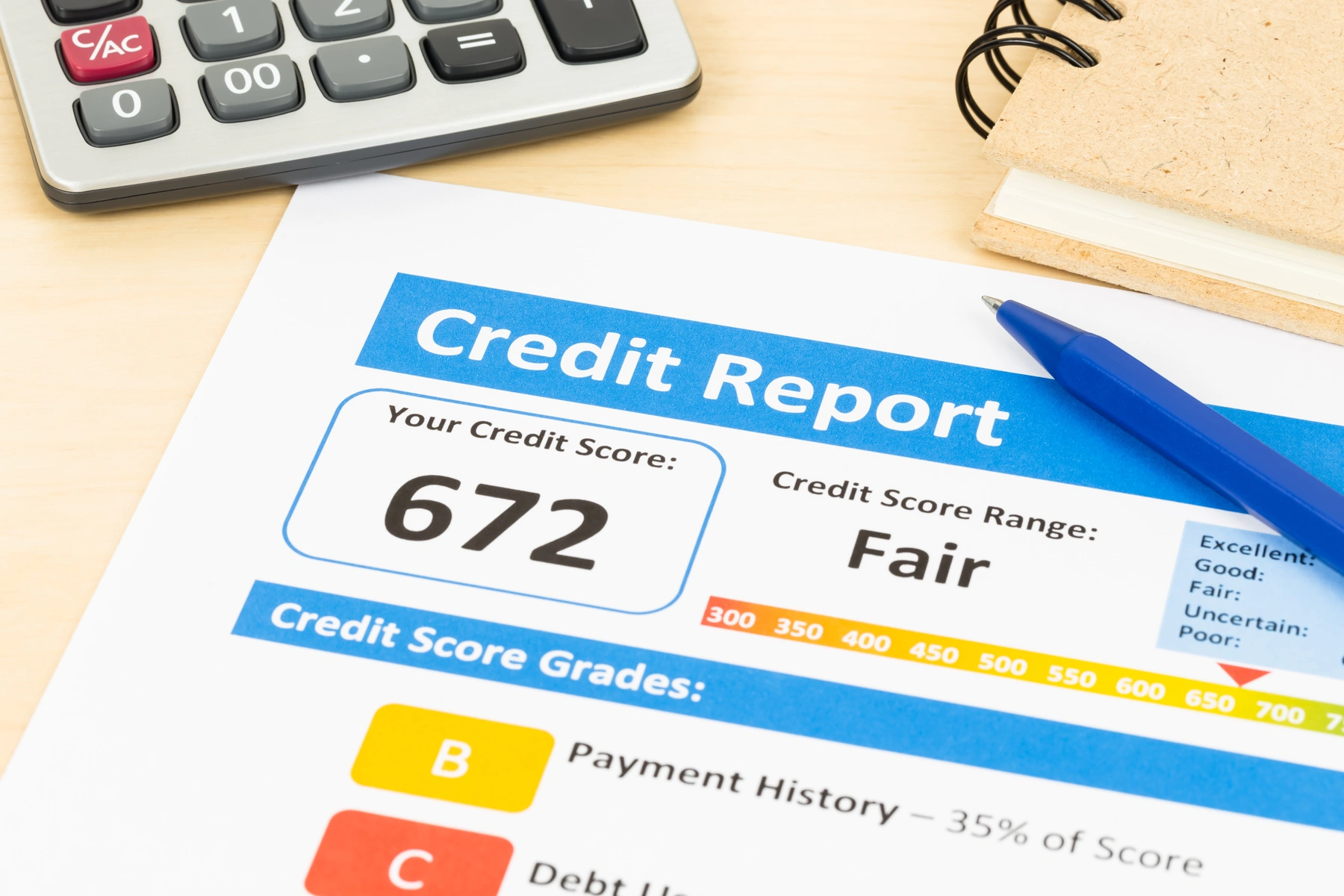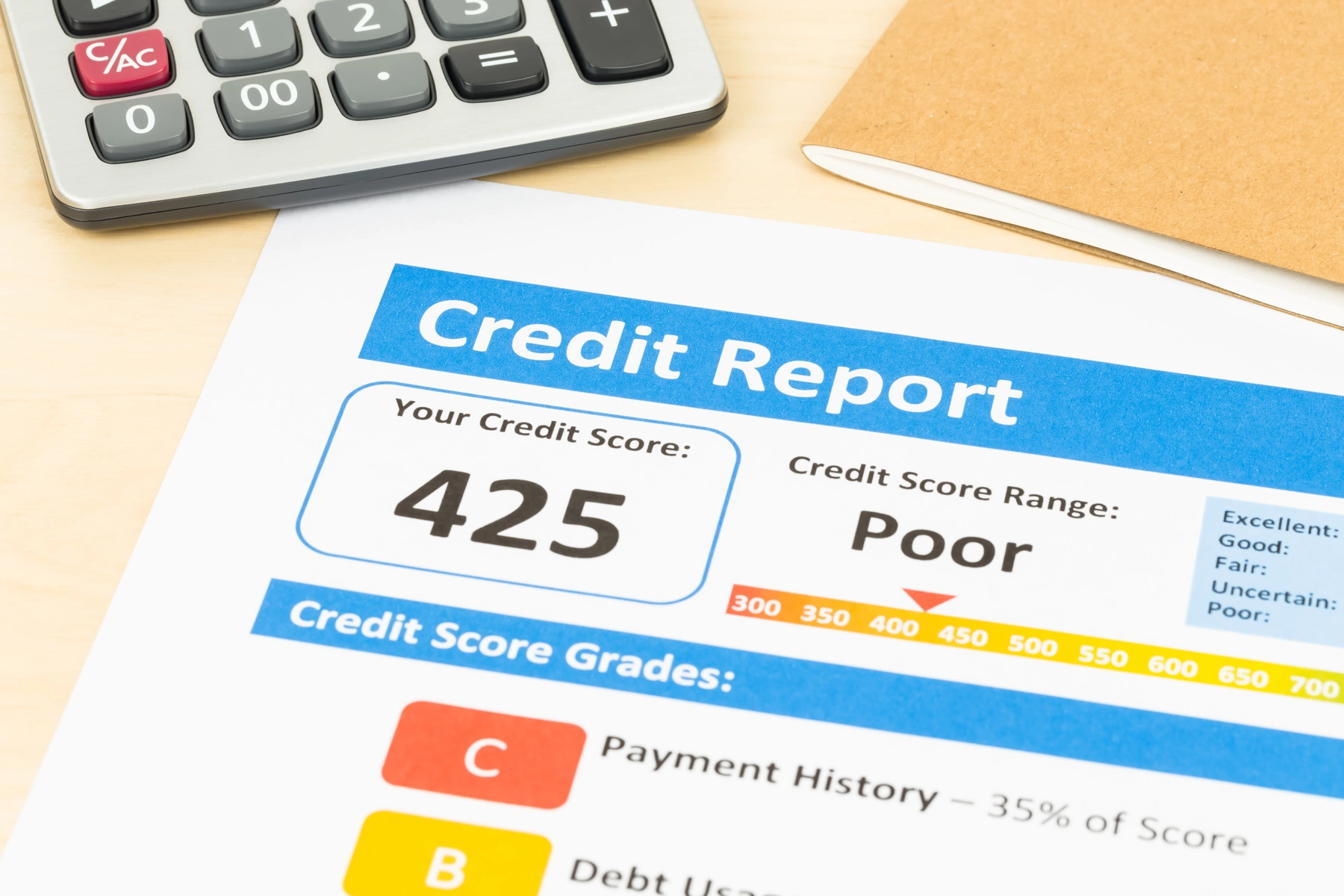
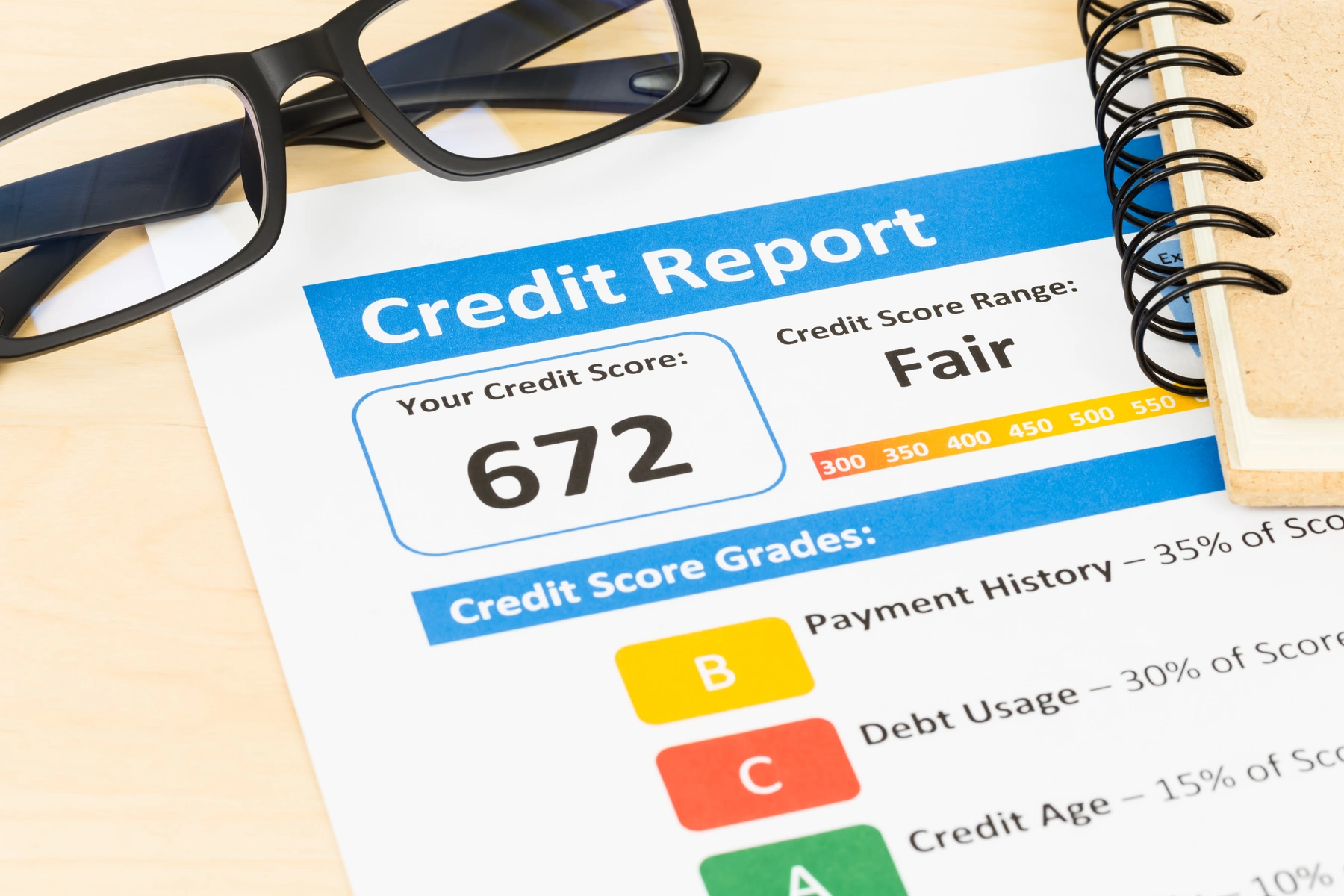
When we think of credit scores, we often talk about them in the abstract. What is a credit score? What does it mean to have a good credit score? How do you get a good credit score?
But what if I told you that every credit score in the United States was made up of the same building blocks? And despite that, many people don't know the term for these building blocks. We call them tradelines.
What are Tradelines?
A tradeline is an account that is reporting to one of the three major credit bureaus. This account could be a credit card, an auto loan, a mortgage, a student loan, a medical debt in collections, etc. Tradelines are the building blocks of your credit report.
Think of your credit report like a building, and each tradeline like a brick. Some of those bricks are like strong load-bearing walls (that credit card you've had for 15 years and never made a late payment on). Other bricks are like the ones in the foundation of your house that are cracked and crumbling (that collections account you never even knew you had).
Why are Tradelines Important?
Knowing how tradelines work is not just a theoretical exercise. Instead, it is one of the keys to learning how to protect yourself from debt collectors who try to use inaccuracies on your tradelines to coerce you into paying a debt you may not even owe.
How are Tradelines Important?
Credit scores are not some arbitrary number that someone's computer program decided you should have. Instead, they are calculated based on the information in the tradelines on your credit report. The age of your accounts, how much debt you have, whether you paid your accounts on time or not, and how many accounts you have, all are considered when calculating your credit score.
When a collection agency tries to add a negative account to your report, it doesn't just mean that a single negative mark is added. Adding one negative account to your credit report can change the average age of your accounts, your utilization ratio, and add one more derogatory mark that will stay on your report for seven years. One negative account can make a credit report that was otherwise strong suddenly look very bad, like having one beam in the foundation of your house that is cracked and crumbling.
What is on a Tradeline?
Every single one of the tradelines on your credit report contains the same information. That information includes:
The name of the creditor or debt collector who owns the account
The type of account (revolving, installment, open, etc.)
The date the account was opened
The credit limit or the original amount borrowed
The current balance on the account
Your payment history going back as long as seven years
The status of the account. An account that is open and in good standing will be represented differently than an account that has been charged off, sent to a collection agency, or closed by the creditor.
All of these items are taken into account in calculating your credit score. If the account has been placed for collection, the credit report will also show the original creditor, the name of the collection agency that currently owns the account, the date of first delinquency, and the amount of the balance that the collection agency is claiming that you owe. All of these items are frequently found to be errors and can greatly affect your credit score.
Primary vs. Authorized User Tradelines
A primary tradeline is an account that you opened in your name. You applied for the account, you are responsible for it, and your credit report will show the entire history of the payments on the account. These are the strong load bearing walls in the foundation of your credit report.
An authorized user is someone who is allowed to use an account that someone else opened. This account will show up on your credit report, but the account was not opened in your name. The payment history is based on someone else's actions. This account is not your responsibility to pay.
That's not the case with an authorized user tradeline. If you're added as an authorized user on someone's credit card, you might see the full history of that account on your credit report. This can be a legitimate way to share credit (parents often add their kids to an existing account, for example).
But a study by the Federal Reserve Board found that over a third of all scoreable credit files contain at least one authorized user account. And according to that same study (authored by Federal Reserve economists Robert B. Avery, Kenneth P. Brevoort, and Glenn B. Canner), the addition of a high-quality authorized user tradeline results in an average score increase of 22 points. The existence of this phenomenon has created an entire commercial industry, which we'll discuss later in this article.
How Tradelines Affect Your Credit Score: The Five Factors & How Tradelines Contribute to Them
Credit scoring models take into account five broad categories of information, and all of them are derived from your tradelines. Your payment history, which is the most important factor, is based entirely on the monthly status updates your lenders report. A single 30-day late payment tradeline can do a lot of damage. Your credit utilization, the second most important factor, is a comparison of your revolving balances to your credit limits on all of your revolving tradelines.
The length of your credit history is determined by the age of your oldest tradeline, as well as the average age of all of your accounts. Your credit mix takes into account whether you have a diverse array of tradeline types. New credit activity considers your recently opened tradelines and hard inquiries.
When a debt collector adds a collections tradeline to your report, it can harm nearly all of those categories at once. It introduces a derogatory payment status, it may reduce your average age of accounts, and it adds a new account that could be a risk factor.
When Tradeline Errors Become Bullets in a Debt Collector's Gun
The FTC conducted a landmark study on credit report accuracy and found that 26% of consumers had at least one potentially material error on their reports. Five percent of those consumers had errors so severe that they were placed in a worse credit-risk tier, meaning they were forced to pay higher interest rates for no reason.
A follow-up study in 2015 found that nearly 70% of consumers with unresolved disputes still believed the information was incorrect after the credit reporting agency concluded its investigation. These are not harmless clerical errors. When a debt collector reports a tradeline with an incorrect balance, incorrect date of first delinquency, or places someone else's debt on your report, it can be the difference between getting approved for a mortgage and being rejected. It can be the difference between paying thousands more in interest throughout the life of a loan.
In fact, more recent data from Consumer Reports shows an even darker picture. The group's 2024 study of nearly 4,000 participants found that almost half discovered errors on their credit reports, and 27% found serious errors involving debts that could harm their credit scores. The credit reporting system is far from as accurate as the industry would like consumers to believe.
Tradeline sellers operate by charging a fee for access to accounts that are considered good credit. These fees are based on a variety of factors, such as the age of the credit line, the credit limit of the account and the credit utilization. In general, the higher the credit limit and the older the credit account, the higher the fee will be. Costs of purchasing a tradeline can range from $200 to more than $4,000 per tradeline. If you’ve purchased a tradeline, you will be added as an authorized user to a stranger’s credit card account. No card will be sent to you, and you will not have access to the account in any way.
After one to two months, you should see the tradeline appear on your credit report and, in turn, you should see a credit score increase. Tradeline for sale companies cater to those who are in need. The idea is to target consumers with bad credit, those who are in debt collections or those who are trying to purchase a home but have poor credit. These consumers are very likely to pay top dollar for a service that can improve their credit scores quickly. But what do the federal regulations have to say about this business?
FTC Cracks Down on Tradeline Services and Credit Repair Companies
The Federal Trade Commission has been cracking down on businesses like this for quite some time. In 2019, it issued a press release about the founder of a company called BoostMyScore, a company that charged consumers up to $4,000 per tradeline, with promises of credit score improvements of 100 points or more in less than 60 days.
As a result, the court issued a judgment for $6.63 million and permanently banned the company’s founder from the credit repair business. In the complaint, the FTC states, “The FTC has never determined that piggybacking is legal.” That one sentence alone disputes the entire business model of all tradeline for sale companies currently operating.
In another major case, the FTC took down a Florida operation called The Credit Game that brought in over $15 million by filing tens of thousands of false identity theft reports with the FTC, in order to remove accurate negative information from clients’ credit reports. “Credit repair schemes like The Credit Game cheat people who are already in financial trouble,” said Samuel Levine, Director of the FTC’s Bureau of Consumer Protection.
The 45 Million Americans With No Tradelines at All
The Concept of Credit Invisibility
Bad credit isn’t the only issue that consumers face when it comes to tradelines. Many consumers struggle with no credit at all. According to a study conducted by the Consumer Financial Protection Bureau, roughly 26 million Americans have no credit history with any of the three nationwide credit reporting agencies and an additional 19 million Americans have credit files that are considered too thin or too stale to generate a credit score. Those who are unable to generate a credit score are considered to be credit invisible.
Absent these tradelines, consumers do not have the credit profiles necessary to obtain most loans, rental units, insurance policies and, in some cases, jobs. They don’t get approved for credit cards, or car loans with decent interest rates. Many aren’t allowed to rent an apartment without a cosigner.
“Credit reports are a vital aspect of a consumer’s financial life and a credit history can greatly determine the type of financial services and opportunities that will be available to a consumer and their family,” Chi Chi Wu, Director of Consumer Reporting and Data Advocacy at the National Consumer Law Center, told lawmakers. “Credit reports are used by creditors, landlords, insurers, utility companies, cell phone companies, and even some employers.”
Credit Invisibility Disproportionately Affects Low-Income and Minority Communities
Not everyone is affected equally by credit invisibility. While 9% of White consumers are credit invisible, that number jumps to 15% among Black and Hispanic consumers. In low-income neighborhoods, nearly 30% of consumers do not have any credit file at all. Over 80% of 18- and 19-year-olds are credit invisible or unscorable.
Research by Federal Reserve economist Ying Lei Toh shows that consumers from more privileged backgrounds, from higher income households, from higher-income areas and from predominantly White neighborhoods, are far more likely to be scored by traditional credit scoring models.
“Becoming an authorized user on a family member’s card is a strategy that consumers from less privileged backgrounds are less likely to be able to use,” Toh said.
This can create a nasty feedback loop. The consumers most likely to be preyed upon by predatory debt collectors are often those least likely to have the robust credit history needed to push back against them. With thin or no credit files, consumers have less leverage when disputing with collectors and fewer resources to repair the damage after a collector has lowered their credit score.
How to Protect Your Tradelines from Collection Agency Abuse
Step 1: Monitor Your Credit Report
The first step to protecting your tradelines is knowing exactly what is on your credit report. By law, you are entitled to free weekly credit reports from each of the three credit bureaus through AnnualCreditReport.com. You should request all three, debt collectors often report to only one or two credit bureaus, and discrepancies between credit reports are common.
Go through each tradeline with a fine toothed comb, making sure balances are correct, account statuses are accurate and you recognize every account. Give extra scrutiny to any collections. Verify the original creditor, date of first delinquency and amount owed. Any errors here may be the grounds for a dispute.
The CFPB received approximately 2.7 million credit reporting complaints in 2024 alone, with incorrect information on reports being the most common complaint. So take heart if you spot something that is not right.
What to do if you find errors
You have rights if you find an incorrect tradeline that a debt collector has placed on your credit reports. You have the right to dispute the error under the Fair Credit Reporting Act. The credit bureau has 30 days to investigate your dispute. The furnisher also has to investigate your dispute.
But in practice the process can be infuriating. The CFPB sued Experian in January 2025 because, it claimed, the credit bureau engaged in sham investigations of consumer disputes. It claimed Experian regularly accepted furnisher responses that were improbable or illogical on their face and improperly reinserted previously deleted inaccurate information. If a credit bureau is not handling your dispute fairly, you may need professional help.
Avoid the temptation of purchasing tradelines or engaging with a credit repair service that promises to erase negative information, even if that information is accurate. As the FTC enforcement actions show, these companies often leave people in worse financial shape than when they started. Instead, focus on disputing information that is actually inaccurate and build legitimate tradelines over time.
Conclusion
Your Credit Structure Should Have a Solid Foundation
A tradeline is a brick in your credit structure, and each one is important. The accurate ones tell the story of your behavior. The inaccurate ones tell a different story and you should not have to endure the consequences.
Debt collectors rely on consumers not understanding how tradelines work. They rely on people not questioning erroneous collection accounts, paying debts they may not owe out of fear, and not verifying whether information is being reported to the credit bureaus accurately. Understanding how tradelines work takes away their advantage.
Your credit report is yours. The tradelines on it should accurately reflect your financial history and nothing else.
Take Action Today
If a debt collector has placed a tradeline on your credit report with incorrect information, or if you are being pressured to pay a debt you do not recognize, FightCollections.com can help. We can help identify incorrect tradelines, dispute collection accounts and hold agencies accountable when they break consumer protection laws.
Do not wait for a lender to reject your application before you act. Pull your credit reports today and review every tradeline. If something does not look right, reach out to us. The sooner you address any issues with your tradelines, the sooner you can start building on a foundation that is actually yours.