
The Credit Score Most of America Considers Unattainable
A credit score of 800 is the highest rung on the FICO scoring ladder, a so-called "Exceptional" credit tier that many Americans consider the exclusive domain of the trust-fund babies, the debt-free, and the flawlessly responsible. But as we'll show below, the 800 club is easier to join than you think. In fact, almost one in four Americans are already members.
As of March 2025, roughly 23 percent of U. S. consumers have a FICO Score of 800 or higher, according to Experian. That's up from under 18 percent in the aftermath of the 2008 financial crisis. You don't have to be a millionaire to make it into the 800 club. Anyone can get there with the right behaviors over time.
We don't mean to suggest the climb is easy or quick or even equitable for all, however. If getting an 800 credit score were a mountain climb, there would be base camps and plateaus along the way, moments when you have to adjust to the altitude, and a grueling final ascent that requires you to just keep climbing.
Here's a step-by-step guide using actual numbers and timelines, as well as some hard realities you won't find in most discussions of credit scores. But first, a reality check.
The Real-World Value of an 800 Credit Score
In truth, the financial perks of a high credit score level off well before you reach 800. "My 800 or my 850 FICO score is not going to get me any better loan rates or terms than the person who has a 760 or 780 FICO score," Lynnette Khalfani-Cox, the personal finance author and money coach known as "The Money Coach," told CNBC.
Fannie Mae prices mortgages based on credit scores up to around 740 to 760. Beyond that, you're climbing for the view from the top.
Knowing where the financial rewards end and the 800 credit score begins can help you avoid unnecessary obsessiveness and focus your efforts on the actions that will actually get you there.
Base Camp 1: Understanding What FICO Scores Measure
The 5 Ingredients of a FICO Score & Their True Weights
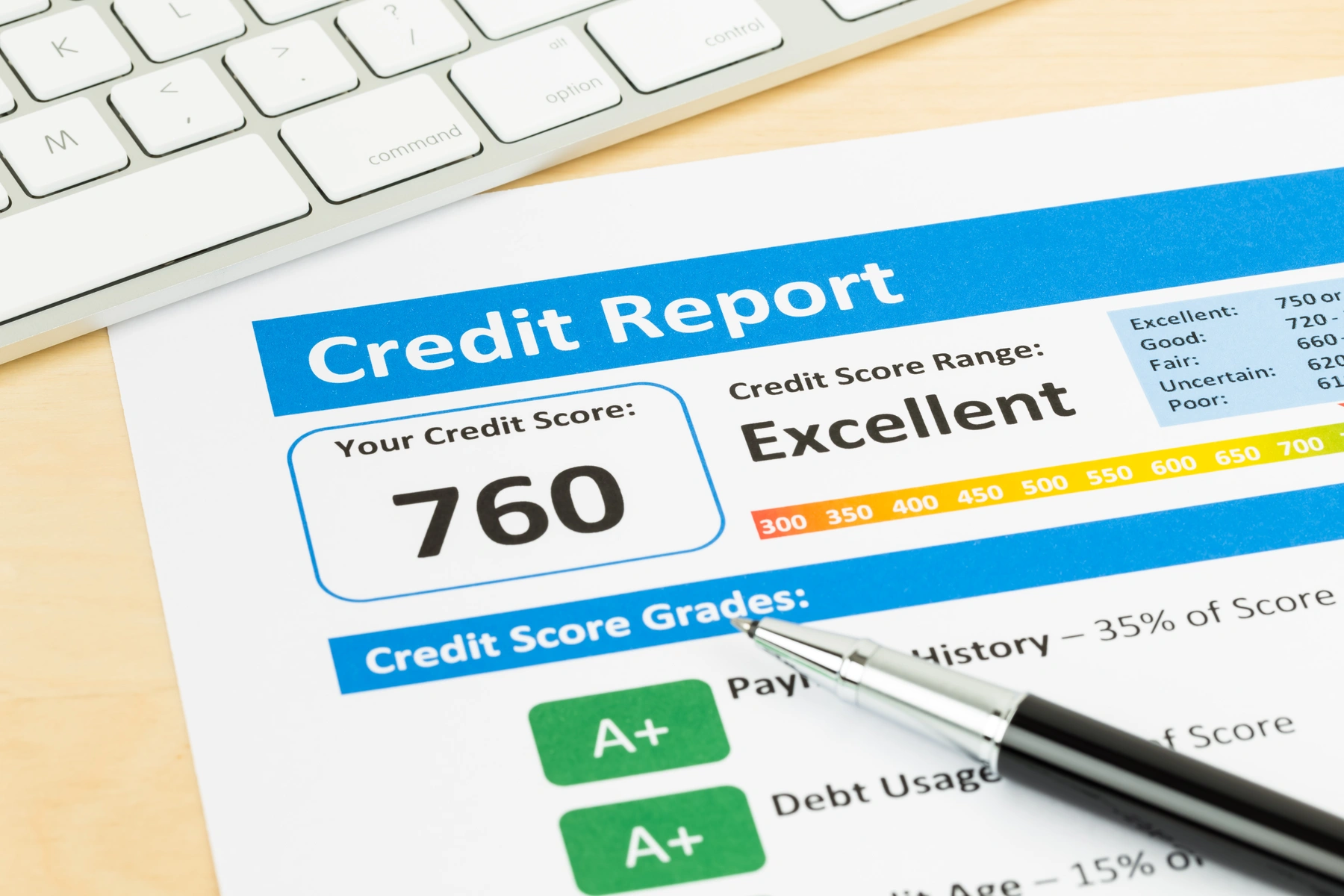
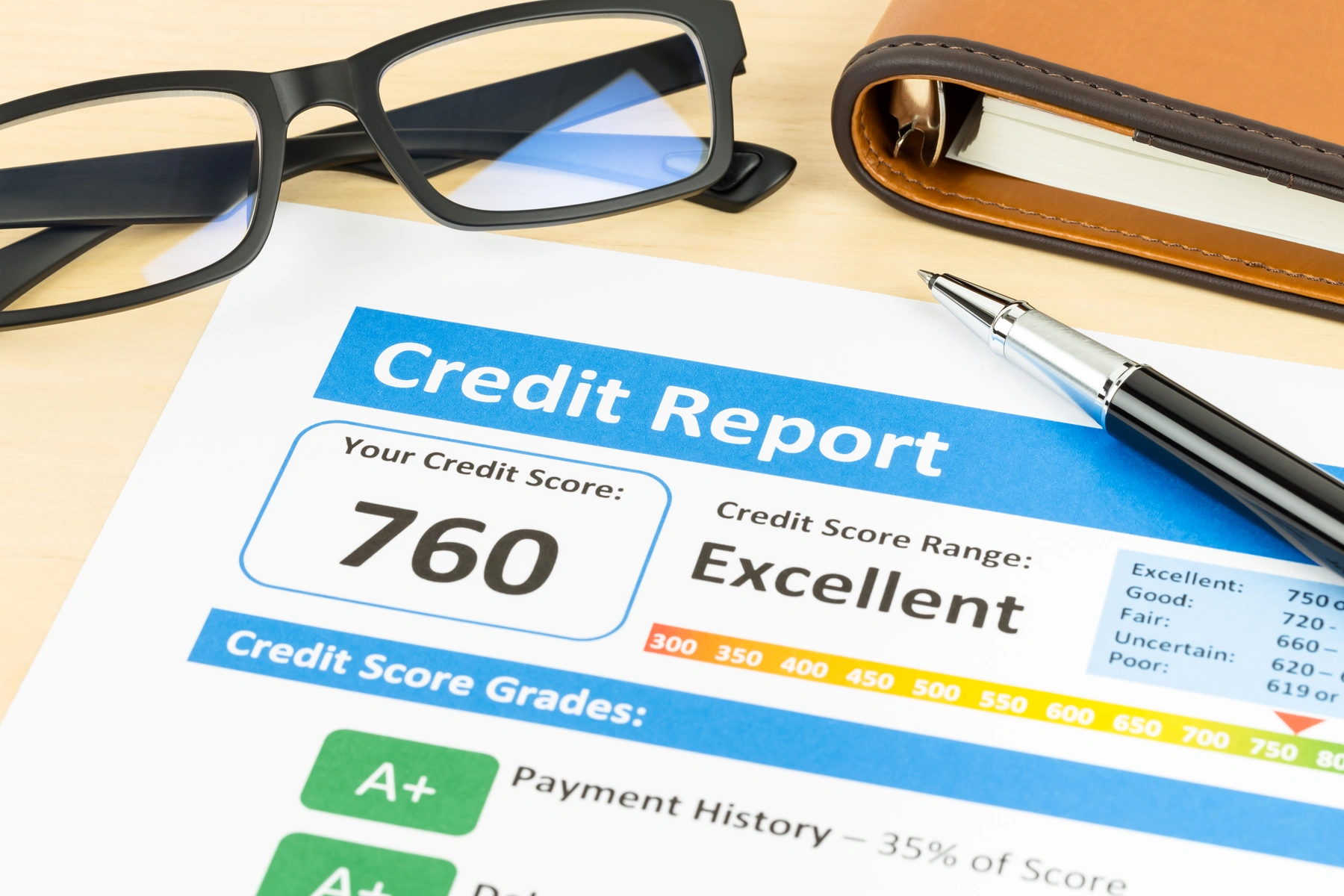
All credit scores are calculated from the same five categories of information in your credit reports, but they are not weighted equally. Payment history is the most important, accounting for 35% of your score. Amounts owed, which includes your credit utilization ratio, is the second most important factor at 30%. For the record, here are the five categories and what they're "worth" in your FICO score calculation:
Payment history (35%)
Amounts owed (30%)
Length of credit history (15%)
Credit mix (10%)
New credit (10%)
Now that you know what FICO is measuring, let's start the climb. The credit history length accounts for 15 percent of the score, types of credit used accounts for 10 percent and new credit accounts for 10 percent. This is why two consumers with the same amount of debt could have significantly different credit scores.
The credit scoring system is interested in trends rather than snapshots. In fact, just one missed payment is associated with an average credit score of nearly 80 points less than consumers who have never missed a payment, according to an analysis of 100,000 credit reports by LendingTree.
The Time Element That Nobody Wants to Hear
Credit history length is the factor that tends to upset consumers the most. Americans with credit scores of 800 or above have an average oldest account of 23.3 years, according to a study released in October 2025 by LendingTree. They also have an average account age of more than 10.5 years. These aren't benchmarks that can be circumvented with a balance transfer or opening a new rewards credit card.
A number of consumers on MyFICO forums who documented their credit score journeys say that when starting from scratch with two credit cards and perfect credit habits, it took at least five years to achieve an 800 credit score. Many required more time. The credit scoring system is built to reward consistency rather than ingenuity, and there is no way to game the clock.
The Ascent: What 800-Plus Scorers Actually Do Differently
They Keep Their Utilization Rates Ridiculously Low
Nowhere is the difference between consumers with 800 credit scores and everyone else more apparent than in credit utilization. Credit scoring consumers who fall into the Exceptional tier have an average credit utilization rate of just 5.5 percent, according to LendingTree's October 2025 study. The average credit utilization rate in the U.S. is typically in the range of 29 percent to 30 percent. Poor credit scores are often associated with credit utilization rates of 70 percent or higher.
This means that 800-plus credit scorers are using about one-fifth as much of their credit as the average American. They're not doing it because they don't have expenses. The average credit limit of an 800-plus credit scorer is over $73,000, according to LendingTree. They're simply treating credit limits as capacity for emergencies rather than credit limits as spending targets.
"Just because you can borrow up to a certain amount doesn't mean that you should," Steve Azoury, owner of Azoury Financial, told CBS News. "When it comes to credit cards, you should only be borrowing what you can pay off in full at the end of the month." This philosophy is perhaps the clearest single behavioral difference between those in the 800 club and those who aren't.
They Never Miss a Payment, Ever
This seems like a no-brainer, but the credit data is compelling. Credit scoring consumers with credit scores of 800 or above have an on-time payment rate of almost 100 percent. Miss one credit card payment by 30 days and your score could drop by 80 points or more, and it may take three years or more to fully recover. The FICO model doesn't make a distinction between a missed $25 minimum credit card payment and intentional default on thousands of dollars in debt. Both are missed payments. Both will remain on your credit report for seven years. Autopay isn't just recommended at this level, it is necessary.
The Detour: How Long Recovery Takes After a Setback
The Timeline for Common Negative Marks
Life isn't always kind to your credit score. Medical crises, job loss, divorce and recession can leave negative marks on your credit report that will keep you from reaching the 800 credit score for years. Understanding how long it takes to recover from each is a critical part of rebuilding.
One missed payment: 7 years, though the impact will significantly lessen after 2-4 years of positive behavior after the event.
Collection accounts: 7 years plus 180 days from the date of delinquency.
Chapter 13 bankruptcy: 7 years from the filing date.
Chapter 7 bankruptcy: 10 years from the filing date.
The distinction to understand here is that the impact of negative marks lessen over time. A collection from 5 years ago isn't nearly as impactful as one from 5 months ago. The FICO model places more weight on recent behavior, which is why positive behavior post-setback is far more impactful than simply letting time pass.
Real People Who Made the Climb After Falling
Those numbers become a bit more real when paired with actual stories. Jesica Naval, a freelance digital marketer in Riverside, California, was stuck making minimum payments on $32,000 in debt and a credit score in the mid 600s. She enrolled in a Debt Management Plan through Money Management International and paid off the balance in full after 4 ½ years. Her credit score is now over 800.
On the MyFICO forums, one consumer who filed for Chapter 13 bankruptcy in 2018 was discharged in 2024. When the bankruptcy was removed from their Experian report 2 months early, their credit score shot up 104 points in a single update and crossed the 800 threshold. It took about 7 years of rebuilding, including utilization below 10 and never missing another payment after filing, to make it back to an 800 credit score.
False Trails: The Myths That Slow the Climb
The Balance Carrying Myth
By far the most popular myth about credit scores is that carrying a small balance on a credit card improves your score. It doesn’t. “That’s the cockroach of credit scoring myths, the one that just seems to not be able to die,” says Lending Tree chief credit analyst Matt Schulz.
MyFICO’s education pages explicitly say otherwise: “You don’t need to carry a balance to have good credit.” Despite FICO itself debunking the myth, a 2023 survey by U.S. News & World Report found that 48 percent of people still believe it. With average credit card interest rates close to 21 percent, that misunderstanding is not just wrong. It’s expensive. Pay your statement balance in full each month. Your score won’t suffer, and your wallet will thank you.
The Mortgage Myth
Many people believe you can’t get to 800 without a mortgage or a car loan on your credit record, under the theory that you need to have installment loan diversity in your credit mix. But the data says you don’t. Credit mix is only 10 percent of your FICO Score, and consumers on MyFICO forums have reported reaching scores of 800 and above with just two credit cards. No mortgage. No auto loan. No student debt.
“My daughter has just two credit cards, no installment loans, and no AU accounts,” reports a MyFICO forum member. “She is between 800 and 815 and first crossed 800 at about five years of credit history.” You don’t need to incur debt you don’t want in order to show the scoring models you can handle debt.
The Uneven Trail: Why 800 Isn’t Equally Accessible
The Racial Credit Score Gap
The path to 800 isn’t equally steep for everyone, and the data on credit score disparities is brutal. Median VantageScores by race show a gap of about 91 points between Black consumers, at 639, and White consumers, at 730, according to the National Consumer Law Center. Hispanic consumers fall in between at 673. Asian consumers lead the way at 752. “These disparities in credit scores are a direct result of the racial wealth gap,” says Chi Chi Wu, director of consumer reporting and data advocacy at the National Consumer Law Center.
Research from Harvard and the Census Bureau published in 2025 found that the gap remains remarkably consistent across the life cycle, at around 97 points at age 30 and 92 points at age 60. It doesn’t narrow with age, experience, or effort alone.
A Federal Reserve Board study found only a moderate relationship between income and credit scores, meaning the disparities aren’t just a matter of income. Meanwhile, about 26 million adults remain “credit invisible” with no credit record at all, according to research by the CFPB. You can’t climb a mountain without finding the trailhead.
The Credit Reporting Accuracy Problem
Even if you do everything right, you can still find your climb undermined by someone else’s mistakes. Credit reporting complaints are the number one type of complaint received by the CFPB, with nearly five million complaints registered in one recent year according to data from NCLC. Credit report errors are not rare edge cases. They are a standard feature of an industry that handles billions of data points with inadequate verification.
Inaccurate negative items, from misattributed collection accounts to misreported late payments, can keep your score below 800 no matter how flawlessly you manage your actual finances. You are solely responsible for catching and challenging these errors, and the process is often slow, adversarial, and poorly understood.
The View From the Top: What 800 Really Means
The Real Summit Is Consistent Behavior, Not a Number
The journey to an 800 credit score is largely a matter of time and consistency rather than hacks and tricks. Most consumers who reach this tier have decades of credit history, utilization rates below six percent, and perfect payment histories that stretch for years. There is no substitute for those three factors.
The research also makes clear that the practical benefit summit actually comes well before 800. Once you hit a score of around 740-760, you qualify for the best interest rates available on mortgages, car loans, and credit cards. The 40-60 points above that mark are valuable mainly as a safety net against future damage but don’t open up new financial products or even better interest rates. Climb for security, not for bragging rights.
Most importantly, the data makes clear that the credit scoring system itself is not an even playing field. Systemic inequities, credit report errors, and the ongoing presence of negative items that may not even be valid all create obstacles that personal responsibility cannot always overcome.
If Errors Are Blocking Your Path, Fight Back
If you’re doing everything right and your score still isn’t reflecting your efforts, maybe the issue isn’t your behavior. Maybe it’s your credit report. Misattributed collection accounts, misreported late payments, and outdated negative items are just a few of the most common obstacles standing between consumers and the scores they’ve actually earned.
FightCollections.com specializes in identifying and challenging those errors on your behalf. Our team understands the games collection agencies play, the laws that protect you, and the dispute strategies that actually get results. You shouldn’t have to accept a score that’s being dragged down by someone else’s mistake.
If you suspect that inaccurate items on your credit report are preventing your score from rising, contact FightCollections.com for a free consultation. The climb to 800 is tough enough without carrying extra weight that isn’t even yours.